

As a long - standing supplier of hospital bandages, I've witnessed firsthand the evolving demands and discussions in the medical community. One question that frequently surfaces is, "Do hospital bandages need to be antibacterial?" To address this, we'll delve into the science, benefits, and potential drawbacks of antibacterial bandages.
The Science Behind Antibacterial Bandages
Bacteria are ubiquitous in our environment, and when a wound occurs, it becomes a potential entry point for these microorganisms. Infections can significantly complicate the healing process, leading to longer recovery times, increased pain, and in severe cases, life - threatening conditions. Antibacterial bandages are designed to combat this threat.
These bandages typically contain agents such as silver, iodine, or triclosan. Silver, for example, has been used for centuries for its antimicrobial properties. It works by releasing silver ions that can interfere with the cellular processes of bacteria, preventing them from growing and multiplying. Iodine is another well - known antibacterial agent. It can penetrate the cell walls of bacteria and disrupt their metabolic functions, effectively killing them. Triclosan, a synthetic antibacterial compound, has been used in a variety of consumer and medical products. It inhibits the activity of enzymes necessary for bacterial fatty acid synthesis, leading to the death of the bacteria.
Benefits of Antibacterial Bandages
Infection Prevention
The primary benefit of antibacterial bandages is their ability to prevent infections. In a hospital setting, where patients may have weakened immune systems or open wounds that are more susceptible to contamination, this is of utmost importance. By reducing the risk of infection, antibacterial bandages can help patients recover more quickly and avoid the need for additional medical interventions such as antibiotics.
For instance, in surgical wounds, the use of antibacterial bandages can minimize the chances of post - operative infections. These infections can not only delay the patient's discharge from the hospital but also increase the overall cost of treatment.
Extended Wound Protection
Antibacterial bandages can provide protection for a longer period compared to non - antibacterial bandages. They continue to work against bacteria as long as the active agent is present in the bandage. This is particularly useful for wounds that take longer to heal, such as burns or chronic ulcers.
Reduced Inflammation
Some antibacterial agents also have anti - inflammatory properties. By reducing inflammation, they can help alleviate pain and discomfort associated with the wound. This can improve the patient's quality of life during the healing process.

Potential Drawbacks of Antibacterial Bandages
Resistance Development
One of the major concerns with the use of antibacterial bandages is the potential for bacteria to develop resistance. Just as overuse of antibiotics has led to the emergence of antibiotic - resistant bacteria, the continuous exposure of bacteria to antibacterial agents in bandages may result in the development of resistant strains. This could render the antibacterial bandages ineffective in the long run and pose a significant threat to public health.
Allergic Reactions
Some patients may be allergic to the antibacterial agents used in the bandages. For example, silver can cause skin discoloration and allergic contact dermatitis in some individuals. Iodine can also trigger allergic reactions, ranging from mild skin rashes to severe anaphylactic reactions.
Cost
Antibacterial bandages are generally more expensive than non - antibacterial bandages. This can be a significant factor, especially in healthcare systems with limited budgets. The increased cost may also limit the availability of these bandages to patients who could benefit from them.
When Are Antibacterial Bandages Necessary?
High - Risk Wounds
Antibacterial bandages are often recommended for high - risk wounds. These include wounds that are contaminated with dirt, debris, or feces, as well as wounds in patients with compromised immune systems. For example, diabetic patients are more prone to infections due to poor blood circulation and impaired immune function. Using antibacterial bandages on their wounds can help prevent serious complications.
Surgical Wounds
As mentioned earlier, surgical wounds are at a high risk of infection. Antibacterial bandages can provide an extra layer of protection during the critical post - operative period.
Chronic Wounds
Chronic wounds, such as pressure ulcers and diabetic foot ulcers, are often colonized with bacteria. Antibacterial bandages can help control the bacterial load and promote healing in these wounds.
Our Product Range
At our company, we offer a wide range of hospital bandages, including antibacterial options. Our Disposable Medical Bandage is a popular choice for single - use applications. It is designed to provide a clean and sterile environment for the wound.
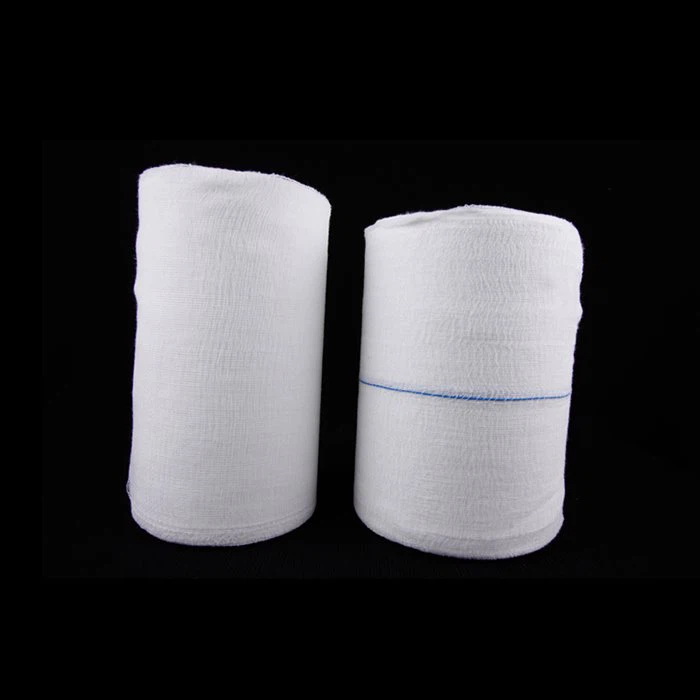
Our Gauze Bandage is available in both antibacterial and non - antibacterial versions. The gauze material is highly absorbent, making it suitable for wounds that produce a lot of exudate.

We also offer Elastic Bandage which provides support and compression to the injured area. Our elastic bandages with antibacterial properties can be a great option for sports injuries or sprains, where there is a risk of infection along with the need for support.
Conclusion
So, do hospital bandages need to be antibacterial? The answer is not a simple yes or no. Antibacterial bandages offer significant benefits in terms of infection prevention, extended wound protection, and reduced inflammation. However, they also come with potential drawbacks such as resistance development, allergic reactions, and higher costs.
In high - risk situations, the use of antibacterial bandages is often justified. But for low - risk wounds, non - antibacterial bandages may be sufficient. As a hospital bandage supplier, we understand the importance of providing healthcare professionals with a variety of options to meet the diverse needs of their patients.
If you're interested in learning more about our hospital bandages or are looking to place an order, we encourage you to reach out to us for a detailed discussion. We are committed to providing high - quality products and excellent customer service.
References
- "Antimicrobial dressings for preventing and treating wound infection." Cochrane Database of Systematic Reviews, 2019.
- "Silver dressings in wound management." International Wound Journal, 2017.
- "The use of iodine in wound management." British Journal of Nursing, 2015.