

Hey there! As a supplier of surgical gauze, I often get asked about special instructions for using this essential medical product. So, I thought I'd share some insights to help you make the most of it.
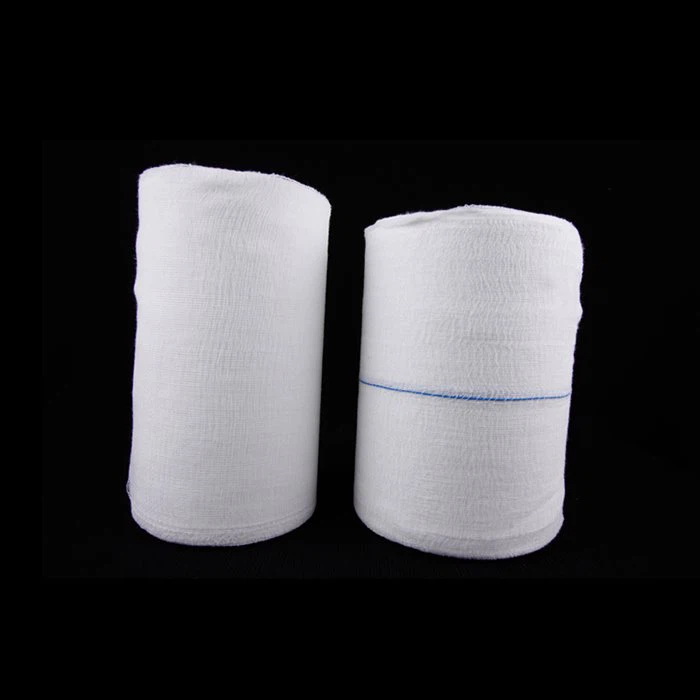
First off, let's talk about what surgical gauze is. It's a thin, loosely woven fabric made from cotton or other materials. It's commonly used in medical settings for wound dressing, absorbing blood and other bodily fluids, and providing a barrier against infection.
Now, when it comes to using surgical gauze, there are a few key things to keep in mind.
Sterility is Key
The most important thing is to ensure that the surgical gauze you're using is sterile. Sterile gauze is free from any microorganisms that could cause infection. When you're purchasing surgical gauze, make sure it's properly packaged and labeled as sterile. Once you open the package, use the gauze as soon as possible and don't leave it exposed to the air for too long.
Proper Handling
Before you start using the gauze, wash your hands thoroughly with soap and water. This helps prevent the transfer of bacteria from your hands to the wound. If possible, wear disposable gloves to further reduce the risk of contamination.
When you're handling the gauze, try not to touch the part that will come into contact with the wound. Hold the gauze by the edges or use forceps to pick it up. This minimizes the chances of introducing bacteria to the wound.
Wound Cleaning
Before applying the surgical gauze, you need to clean the wound properly. Use a mild antiseptic solution or saline to gently clean the area around the wound. This helps remove any dirt, debris, or bacteria that could cause an infection. Pat the area dry with a clean towel or another piece of sterile gauze.
Applying the Gauze
Once the wound is clean and dry, you can apply the surgical gauze. Cut the gauze to the appropriate size to cover the wound completely. Place the gauze gently over the wound, making sure it lies flat and doesn't bunch up. If the wound is bleeding, you can apply gentle pressure to the gauze to help stop the bleeding.
If you're using multiple layers of gauze, make sure to overlap them slightly to ensure full coverage. You can secure the gauze in place with medical tape or a Gauze Bandage. A gauze bandage helps keep the gauze in place and provides additional support.
Changing the Gauze
It's important to change the surgical gauze regularly to prevent infection. The frequency of changing the gauze depends on the type and severity of the wound. For minor wounds, you may only need to change the gauze once a day. For more serious wounds, you may need to change it several times a day.
When you're changing the gauze, be gentle to avoid disturbing the wound. Remove the old gauze carefully and dispose of it properly. Clean the wound again as described above and apply a new piece of sterile gauze.

Special Situations
There are some special situations where you may need to take extra precautions when using surgical gauze.
- Deep Wounds: If the wound is deep or has a lot of bleeding, you may need to use a different type of dressing or seek medical attention. In some cases, a Gauze Bandage may not be enough to control the bleeding, and you may need to use a hemostatic agent or other advanced wound care products.
- Infected Wounds: If the wound shows signs of infection, such as redness, swelling, pain, or discharge, you should consult a healthcare professional. They may recommend using an antibacterial or antifungal dressing in addition to the surgical gauze.
- Allergic Reactions: Some people may be allergic to the materials used in surgical gauze, such as cotton. If you experience any itching, rash, or other allergic symptoms after using the gauze, stop using it immediately and consult a doctor.
Other Uses of Surgical Gauze
Surgical gauze isn't just for wound dressing. It can also be used for other purposes in a medical setting.
- Cleaning and Disinfection: You can use surgical gauze to clean and disinfect medical equipment, such as scissors, forceps, and syringes. Simply soak the gauze in a disinfectant solution and use it to wipe the equipment clean.
- Specimen Collection: Surgical gauze can be used to collect specimens, such as blood or tissue samples. You can use the gauze to absorb the specimen and then transfer it to a container for testing.
- Padding and Protection: In some cases, surgical gauze can be used as padding to protect sensitive areas of the body, such as the elbows or knees. You can wrap the gauze around the area to provide cushioning and prevent friction.
Conclusion
So, there you have it - some special instructions for using surgical gauze. By following these guidelines, you can ensure that you're using the gauze safely and effectively.
If you're in the market for high-quality surgical gauze, we're here to help. We offer a wide range of surgical gauze products that are sterile, reliable, and affordable. Whether you're a healthcare provider, a hospital, or an individual looking for first aid supplies, we have the right product for you.
We also offer other medical products, such as Elastic Bandage and Gauze Bandage. If you're interested in learning more about our products or would like to place an order, please don't hesitate to get in touch. We're always happy to answer your questions and help you find the right solution for your needs.
References
- American Academy of Dermatology. (n.d.). Wound care basics. Retrieved from [Website URL]
- Centers for Disease Control and Prevention. (2023). Guidelines for preventing healthcare-associated infections. Retrieved from [Website URL]
- World Health Organization. (2022). Best practices for wound management. Retrieved from [Website URL]