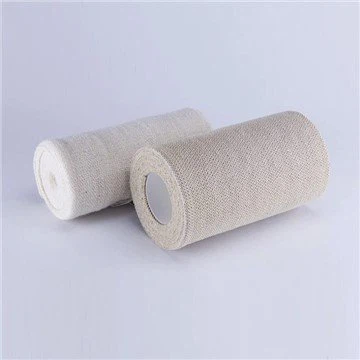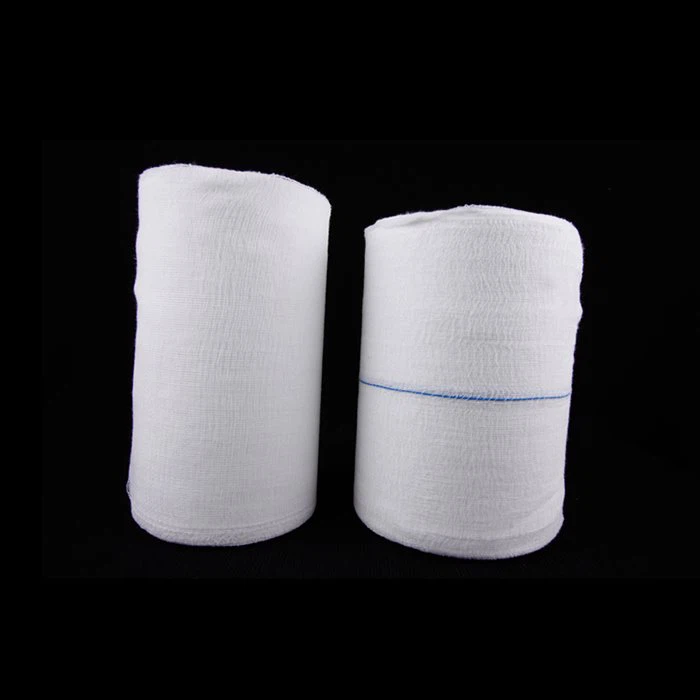
Hebei ZOJE Medical Equipment CO.,Ltd.Founded in 2012.Our company is a research and development, production and sales of medcal equipment co.LTD. We produce medium and high-end medical device products. With a strong technical strength and rich professional experience dedicated to human civilization and health.The company has 300 employees and covers an area of 40000㎡.
Our factory
Hebei ZOJE Medical Equipment CO.,Ltd.Founded in 2012.Our company is a research and development, production and sales of medcal equipment co.LTD. We produce medium and high-end medical device products. With a strong technical strength and rich professional experience dedicated to human civilization and health.The company has 300 employees and covers an area of 40000㎡.
Quality assurance
We has the purification workshop which meets the CMP standard,the quality inspection center.
Our product
Our company mainly produces disposable sterile infusion apparatus,disposable sterile syringe,disposable dispensing syringe,insulin needle and all kinds of accessories.
Our service
We try and respond to all concerns within 24 hours and our teams are always at your disposal in case of any emergencies.

If the bandage is used correctly, it can not only help the wound heal, but also avoid infection or other secondary injuries to the wound.

Bandages are used to wrap wounds or affected areas. They are common medical supplies. There are many different types and methods of dressing.
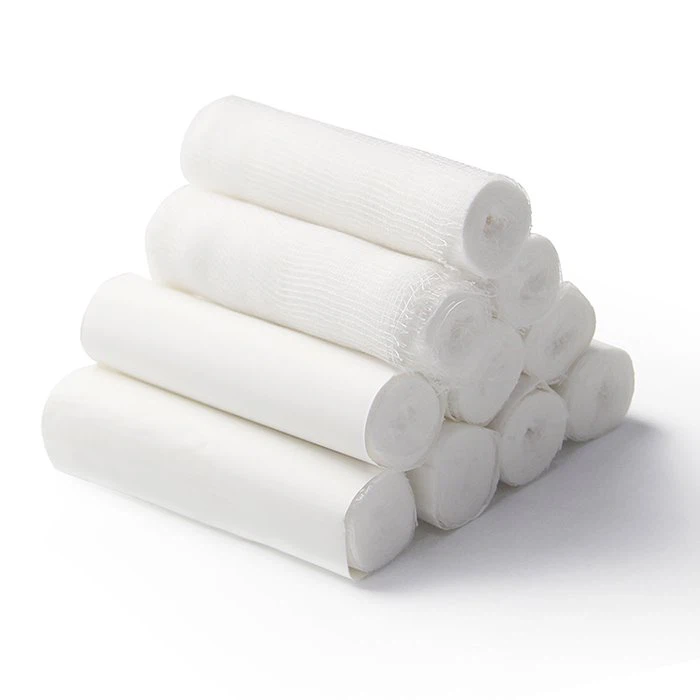
Breathable mesh cloth with holes on the surface to wick away perspiration and breathability.

In order to prevent the wound from deepening due to some accidental touch, or because of the fine gap between the bandages.

When using a bandage, it is best to wear protective gloves to prevent the wounded bacteria from infecting the wound.
An elastic bandage is a "stretchable bandage used to create localized pressure". Elastic bandages are commonly used to treat muscle sprains and strains by reducing the flow of blood to a particular area by the application of even stable pressure which can restrict swelling at the place of injury. Elastic bandages are also used to treat bone fractures. Padding is applied to the fractured limb, then a splint (usually plaster) is applied. The elastic bandage is then applied to hold the splint in place and to protect it. This is a common technique for fractures which may swell, which would cause a cast to function improperly. These types of splints are usually removed after swelling has decreased and then a fiberglass or plaster cast can be applied.

Advantages of Elastic Bandage
Support and stability
Elastic bandages provide excellent support and stability to injured or weak joints, muscles, or ligaments. They help limit excessive movement, reducing the risk of further injury or strain. The elasticity of the tape allows for a snug fit that conforms to the body's contours, offering optimal support.
Compression and swelling reduction
The elastic nature of the tape enables it to provide gentle compression to the affected area, which can help reduce swelling and edema. The compression promotes proper fluid circulation, facilitating the body's natural healing process and minimizing discomfort.
Flexibility and range of motion
Elastic bandages are designed to be flexible, allowing for a comfortable range of motion while still providing support. Unlike rigid braces or splints, elastic bandages allow the joint or muscle to move naturally, which can be particularly beneficial during sports or physical activities.
Self-adhesive and easy application
Elastic bandages are self-adhesive, meaning they stick to themselves without the need for additional adhesive or clips. This makes them easy to apply, adjust, and remove, reducing the hassle and discomfort associated with traditional bandages. The self-adhesive property also eliminates the risk of residue or sticky residue left on the skin.
Versatility and reusability
Elastic bandages are versatile and can be used in a wide range of situations, from injury support to securing dressings. They are available in different widths and lengths, allowing for customization based on the specific needs of the injury or application. Additionally, they are often reusable, meaning they can be applied and removed multiple times without losing their adhesive properties.
Due to the risk of latex allergies among users, the original composition of elastic bandages has changed. While some bandages are still manufactured with latex, many woven and knitted elastic bandages provide adequate compression without the use of natural rubber or latex. The modern elastic bandage is constructed from cotton, polyester and latex-free elastic yarns. By varying the ratio of cotton, polyester, and the elastic yarns within a bandage, manufacturers are able to offer various grades of compression and durability in their wraps. Often aluminum or stretchable clips are used to fasten the bandage in place once it has been wrapped around the injury. Some elastic bandages even use closures to secure and stabilize the wrap in place.
Aside from use in sports medicine and by orthopedists, elastic bandages are popular in the treatment of lymphedema and other venous conditions. However, some compression wraps are inadequate for the treatment of lymphedema or chronic venous insuffiency. They provide a high resting compression and low active compression. Physical therapists and occupational therapists have special training and certifications to apply appropriate compression wraps for edema and lymphedema. Elastic bandages can also be used for rehabilitating injured animals through veterinary medicine. Their use in mud wraps produces temporary weight loss by inducing sweating, which is regained after restoring a healthy level of hydration by consuming water.
Elastic bandages should not be confused with compression therapy devices designed for the purpose of venous edema management or lymphedema management. Such devices are specifically designed to deliver graduated compression from the ankle to the knee, to assist with venous return.
Types of Elastic Bandages
Self-adherent bandages
These bandages have a cohesive property that sticks to itself, eliminating the need for clips or fasteners.
Latex-free bandages
Ideal for individuals with latex allergies, these bandages are made from alternative materials like nylon or polyester.
High-compression bandages
Designed to apply more pressure, these bandages are commonly used for managing edema or venous ulcers.
Lightweight elastic bandages
These are suitable for providing support and compression for minor strains and sprains, offering flexibility and comfort.
These bandages are commonly used in sports medicine, first aid kits, and healthcare settings for the following purposes:
Securing dressings
These bandages are useful for securing dressings or wound coverings in place. The elastic nature of the tape allows it to conform to the body's movements without compromising the dressing's integrity.
Taping techniques
Elastic tape bandages are also employed in various taping techniques, such as the "figure-eight" or "basket-weave" methods, to provide additional stability and support to joints or muscles during athletic activities.
It is important to note that while elastic tape bandages are versatile and widely used, they are not a substitute for professional medical care. Serious injuries should be assessed and treated by healthcare professionals. Additionally, improper application of elastic tape bandages May lead to circulation issues or skin irritation, so it is crucial to follow proper taping techniques and consult a healthcare professional if you have any concerns. We expand on the potential drawbacks of these bandages below.
Compression and support
Elastic tape bandages are effective in providing compression and support to injured or strained muscles, joints, or ligaments. They help reduce swelling, stabilize injured areas, and promote healing.
Injury prevention
Athletes often use elastic tape bandages proactively to prevent injuries or provide additional support to vulnerable areas. For example, they May be applied to ankles, knees, or wrists before engaging in physical activities or sports.
Sprains and strains
Elastic tape bandages are frequently used to immobilize and support sprained or strained joints, such as ankles or wrists. They can help reduce pain, prevent further damage, and facilitate the healing process.
How Do I Use an Elastic Bandage?
Elastic bandages come in many different sizes and lengths. They may come with metal clips or tape to fasten it in place. Ask your healthcare provider to show you how to wrap the bandage. The following steps will help you wrap an elastic bandage around your ankle. You can also wrap an elastic bandage around your knee, wrist, or elbow.
Hold the bandage so that the start of the roll is facing up. Start the loose end of the bandage on the top of your foot beneath your toes. Leave your toes out of the bandage. Hold the loose end of the bandage in place with one hand. With the other hand, wrap the bandage in a circle twice around your foot. Always wrap the bandage from outside to inside.
After the top of your foot has been wrapped twice, move your hand to your heel. Continue to wrap the bandage in a spiral pattern, like a figure 8. Leave your heel uncovered. Overlap the elastic bandage by ½ of its width each time you go around. Cross the bandage over your foot, moving upward, and pass it behind your ankle.
Move the bandage down and cross it over the top of your foot. Wrap the bandage under your foot. Repeat this one more time. Pass the bandage around your calf and wrap it in upward circles toward your knee. Stop wrapping below your knee. You do not need to wrap the bandage down your calf again. Fasten the end to the rest of the bandage. Do not use metal clips where your skin folds or creases, such as behind your knee.
Elastic bandages can run from 2 inches to 6 inches in width. They are common items in a first aid kit.2 as a general rule, the wider the bandage is, the less likely it will cut off circulation. It is important, therefore, to select the right size for the body part.
A 6-inch elastic bandage can be used around the chest, torso, or thigh. A 3- to 4-inch bandage May be suitable for an adult arm or leg. A 2-inch bandage May be appropriate for children's arms or legs, or adult fingers. If the bandage wrap is cutting off circulation, you May feel swelling, numbness, and tingling at or below the site. The skin color also May appear bluish or purple-red. You'll need to loosen the wrap to restore circulation.
Always choose the right-sized bandage for the body part. A bandage that's too narrow can cut off circulation, while a bandage that's too wide May not provide enough compression.

Know When to Stop Using an Elastic Bandage
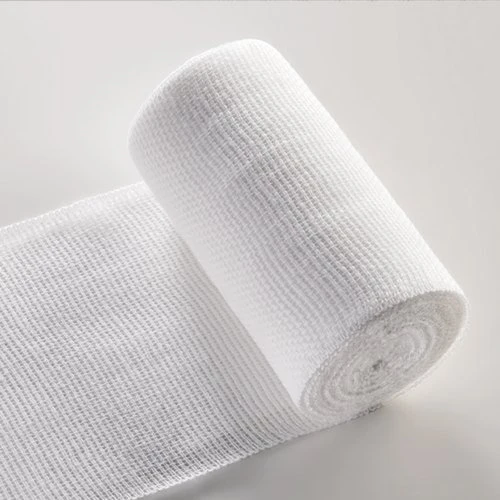
The pain and swelling associated with a sprain can mask more serious underlying injuries, so know when to get more help. If swelling and pain gets worse, it's time to seek professional treatment.
If, after removing the bandage, the injured area still feels numb or tingles, see your doctor. If a fracture on a ligament sprain is suspected, an X-ray or MRI will allow your doctor to prescribe the right treatment for your injury
The Manufacturing Process Of Elastic Bandage
The production process
We produce a lot of different kinds of elastic bandages, and they all have different uses, but the production process is pretty much the same except for the materials and the weaving process.
01
Raw material
All the traditional elastic bandages of tedamed are made of pure cotton, matt or light viscose rayon. Viscose rayon is the best raw material for traditional elastic bandages because it does not need bleaching and has the lowest cost. Pure cotton is the most used because it is not to cause allergic symptoms.
02
Weaving
In the weaving process, the raw materials need to be beam-warping first and then woven. Orthopedic bandages also need to complete the spraying of coatings.
03
Disinfection
At present, the more mature disinfection method has physical disinfection method and chemical disinfection method. Physical disinfection methods include: Natural purification, mechanical force removal, thermal disinfection, radiation disinfection and microwave disinfection; chemical disinfection method includes: Spray or wipe, aqueous solution sink bubble and fumigate with gas.
04
Cutting and packing
After disinfection, the product is cut off in accordance with the required length, and finally packed with balers. Our main bandages are 3.6m*5cm, 4m*7.5cm, 4.5m*10cm and so on. We use aluminum fasteners to fix most of the bandages. Specific can also be customized according to your needs.
05
Our factory
Hebei ZOJE Medical Equipment CO.,Ltd.Founded in 2012.Our company is a research and development, production and sales of medcal equipment co.LTD. We produce medium and high-end medical device products. With a strong technical strength and rich professional experience dedicated to human civilization and health.The company has 300 employees and covers an area of 40000㎡. We has the purification workshop which meets the CMP standard,the quality inspection center. Our company mainly produces disposable sterile infusion apparatus,disposable sterile syringe,disposable dispensing syringe,insulin needle and all kinds of accessories.


FAQ