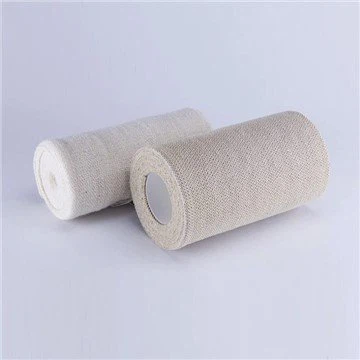
Hebei ZOJE Medical Equipment CO.,Ltd.Founded in 2012.Our company is a research and development, production and sales of medcal equipment co.LTD. We produce medium and high-end medical device products. With a strong technical strength and rich professional experience dedicated to human civilization and health.The company has 300 employees and covers an area of 40000㎡.
Our factory
Hebei ZOJE Medical Equipment CO.,Ltd.Founded in 2012.Our company is a research and development, production and sales of medcal equipment co.LTD. We produce medium and high-end medical device products. With a strong technical strength and rich professional experience dedicated to human civilization and health.The company has 300 employees and covers an area of 40000㎡.
Quality assurance
We has the purification workshop which meets the CMP standard,the quality inspection center.
Our product
Our company mainly produces disposable sterile infusion apparatus,disposable sterile syringe,disposable dispensing syringe,insulin needle and all kinds of accessories.
Our service
We try and respond to all concerns within 24 hours and our teams are always at your disposal in case of any emergencies.

If the bandage is used correctly, it can not only help the wound heal, but also avoid infection or other secondary injuries to the wound.
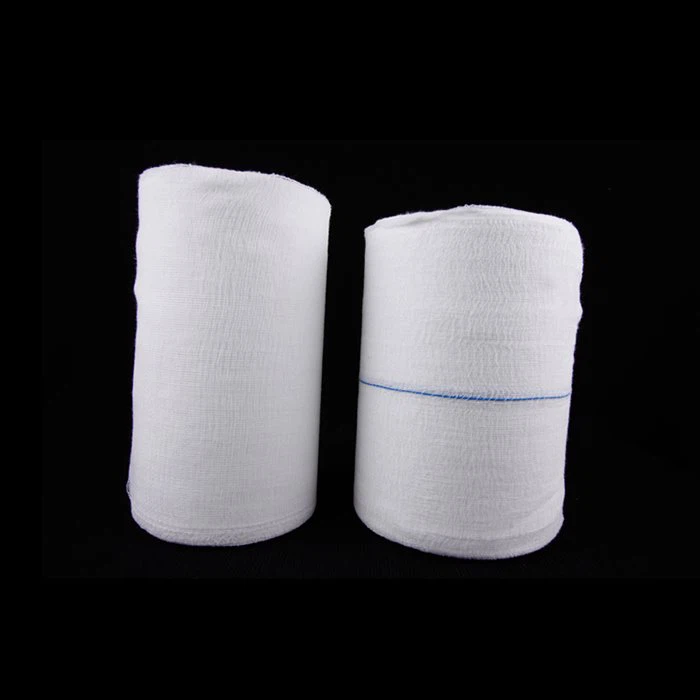
When using a bandage, it is best to wear protective gloves to prevent the wounded bacteria from infecting the wound.
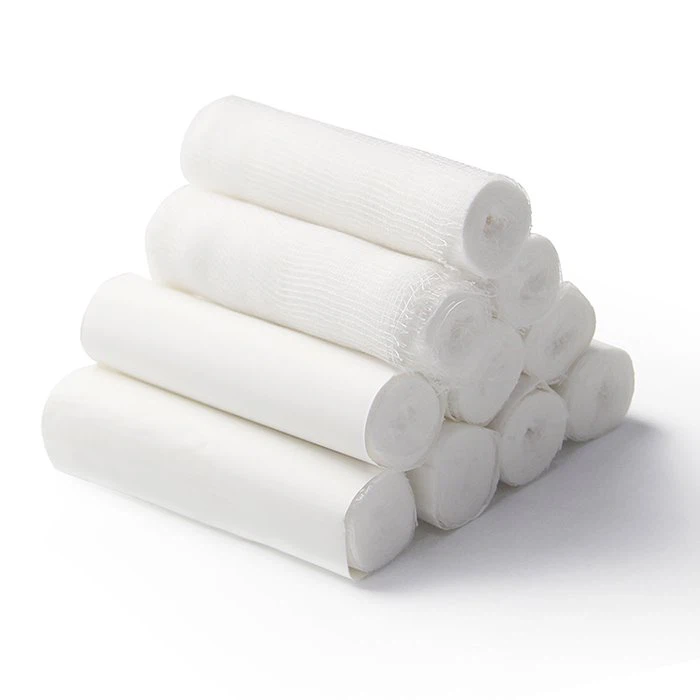
Breathable mesh cloth with holes on the surface to wick away perspiration and breathability.

In order to prevent the wound from deepening due to some accidental touch, or because of the fine gap between the bandages.

Bandages are used to wrap wounds or affected areas. They are common medical supplies. There are many different types and methods of dressing.
Gauze bandages are widely used in homes and medical places. Gauze bandages are common medical supplies. They are generally used to wrap wounds or affected areas. There are many different types, and the functions of gauze bandages are more comprehensive. The function of a gauze bandage is commonplace. It is a material that is used to repair and protect damaged parts. It is a medical necessity for surgical procedures. A simple gauze bandage is made of cotton or gauze. It is commonly used on the human body's limbs, tail, head, chest, and abdomen. Another type of gauze bandage is more in charge of the key point. This gauze bandage aims to create gauze bandages of various shapes based on the affected area and shape. The material is also changed to a single-layer cotton cloth.

Advantages of Gauze Bandage
Cost-effectiveness
When less frequent dressing changes are required, gauze dressings are found to be the least expensive dressing method available. However, their cost-effectiveness should be put into perspective by considering other factors. These include frequency of dressing change, wound healing time, patient discomfort, and the need for dedicated nursing.
Ease of use
As gauze bandages are one of the oldest dressing materials available, the majority of healthcare providers are familiar with its use. Gauze bandages remain popular because of their ease of use. They can be packed into areas which might be inaccessible to other wound dressing types. For instance, they can be used for packing tunnels and sinus tracts.
Versatile
Gauze bandages are available in a variety of shapes and sizes. Some of their forms include rolls, strips, ribbons, and pads.
There are many types of gauze bandages, such as 100% cotton plain weave gauze bandages, wrinkled elastic gauze bandages, spandex elastic gauze bandages, PBT elastic gauze bandages, cotton woven edge gauze bandages, and viscose gauze bandages. The function of a gauze bandage is closely related to its type. Reel gauze bandages are also called single bandages. There are three materials: cotton, gauze and elastic rolls. According to the different parts of the tape, there are various names, including the head, the tail, the body, the inner surface, the outer surface, the upper side, and the lower side. And some parts of the mouth.
The enhanced version of the reel gauze bandage is a double-ended gauze bandage. As the name suggests, it has two heads, and its function and size are roughly the same as the reel gauze bandage. There is also a kind of hospital gauze bandage, called triangle gauze bandage, also called triangle scarf. This gauze bandage is made of natural-colour cotton cloth, that is, cotton cloth with four equal sides and a length of about one meter is cut diagonally to make it into two large triangles. Then cut the finished triangle scarf from the centerline of the top edge to the bottom edge. It can be split into two relatively small triangle scarfs. Different parts have different names. They are: bottom edge, vertex, and left and right points. Their most important role is to suspend the arm and forearm and hold it.
The hospital gauze bandage has many functions, and the flexible use of the gauze bandage can greatly improve the function of the gauze bandage itself and is better used for dressing the affected area of the patient.

How Should a Gauze Bandage Be Used?
Using a gauze bandage starts with good hygiene: Wash hands thoroughly with soap and water before handling the bandage or wear sterile gloves to keep a sterile environment, especially when dealing with wounds or surgical sites.
Once hands are clean, carefully unroll the gauze bandage from its packaging, being cautious not to touch the sterile inner surface to avoid contamination. To apply the gauze bandage, begin by securing one end firmly on the desired area, such as the wound or injured body part. Starting with a secure anchor point prevents the bandage from unraveling or shifting during use.
Then, wrap the gauze bandage around the area in a spiral fashion, checking that each layer overlaps the previous one by about half of the bandage's width. This overlapping technique helps to provide adequate coverage and uniform compression without restricting blood flow.
As the bandage is wrapped, continue with a consistent tension to achieve the desired level of compression. However, be cautious not to wrap too tightly, as this can impair circulation and lead to complications such as ischemia or tissue damage. The gauze bandage should be snug enough to deliver compression but not constricting.
Once the wound or area of interest is covered adequately, secure the end of the bandage with a clip, tape, or adhesive tabs to prevent it from unraveling. The bandage has to be firmly in place but must still allow for comfortable movement and good circulation.
What Precautions Should Be Considered When Using Gauze Bandages?
While gauze bandages are versatile and commonly used in medical settings, several precautions should be taken to assure their safe application:First and foremost, assess the patient's condition and follow the guidance of a healthcare professional regarding the use of gauze bandages, especially in cases of severe injuries or surgical procedures.
When applying a gauze bandage, always confirm that it is snug but not too tight, as excessive compression can impede blood flow and cause complications. If directed by a healthcare professional, additional tape or a secondary bandage may be needed to secure the gauze properly.
Regular monitoring of the area covered by the gauze bandage is called for to detect any signs of discomfort, swelling, or restricted blood flow.
If the patient experiences increased pain, numbness, tingling, or changes in skin color or temperature, the bandage may be too tight, and adjustments should be made immediately.
It is advised to follow wound care protocols, which include cleaning and disinfecting the wound before applying the gauze bandage, to prevent infection and encourage healing. Adhering to these precautions aids in the safe use of gauze bandages in medical environments.

When purchasing gauze bandage, there are several important factors to consider to ensure that you choose the right type and quality of gauze for your specific needs. Here are some key factors to keep in mind:
Type of application
Consider the intended use of the gauze. Is it for wound dressing, surgical procedures, or another medical application. Different types of gauze are designed for different purposes, so selecting the appropriate type is crucial.
Sterility
Depending on the intended use, you May need sterile or non-sterile gauze. Sterile gauze is essential for wound care and surgical procedures to prevent infections.
Size and shape
Choose the appropriate size and shape of gauze based on the size of the wound or the area you need to cover. Gauze pads, rolls, sponges, and swabs come in various dimensions to suit different needs.
Absorbency
Consider the level of absorbency required for the specific application. Some wounds or procedures May require highly absorbent gauze, while others May need less absorbent options.
Material and construction
Look for gauze made from high-quality, non-irritating materials. Cotton gauze is commonly used and well-tolerated by most patients. The construction of the gauze should be sturdy enough to maintain its integrity during use.
Packaging
Ensure that the gauze is properly packaged to maintain sterility until it's ready for use. Individually wrapped sterile gauze is essential for wound care.
Adherence to regulations
Purchase gauze from reputable suppliers or manufacturers that adhere to medical industry standards and regulations for safety and quality.
Brand reputation
Established and reputable medical supply brands often provide higher-quality products that have been tested and trusted by healthcare professionals.
Special features
Depending on your needs, you might require gauze with special features, such as adhesive backing, impregnation with medications, or hemostatic properties.
Quantity
Consider the quantity of gauze needed for your specific use. Bulk purchasing might be more cost-effective for larger medical facilities.
Cost
While cost is a consideration, prioritize quality and appropriateness for the intended use over price alone. Cheaper gauze May not provide the necessary performance or sterility.
Professional consultation
If you're unsure about which type of gauze to purchase, consult with a healthcare professional or medical supply specialist for guidance.
Preparing to Change the Gauze Bandage
Clean the table or surface you are going to put the new dressings on with sanitising wipes or a solution of warm water and detergent, such as washing up liquid. Wash your hands thoroughly with soap and water for 20 seconds, especially between fingers and the palms of hands. Dry hands with a clean towel or kitchen roll.
Prepare your materials by opening the dressing pack, putting on the apron – if you are not the patient – and putting the waste bag to one side. Spread out the dressing pack wrapping so you have a clean surface. Open the new dressing/s and drop onto the clean surface of the dressing pack wrapping.
Carefully remove the old dressing without touching the part that been in contact with the wound. Do not touch the wound. If the dressing is stuck, soak with water or saline and wait for the dressing to loosen – allow a bit of time and avoid pulling as this will be painful and will damage the wound.
If the dressing is adhesive or has an adhesive border, avoid peeling it off. Instead, lift one or more corners of the dressing and stretch it horizontally along the skin surface to break the adhesive bond. Take your time and continue gently stretching until the entire dressing lifts.
Place the dirty dressing in the waste bag and wash your hands. Cleaning the wound and applying the new dressing. If you have sterile or clean gloves, put them on. If not, try to avoid touching the wound or anything that will be in contact with the wound. If you want to clean the wound itself, clean from the centre outwards using the solution recommended by your healthcare professional, for example drinkable tap water, saline or antiseptic solution, and gauze from the dressing pack. Clean the skin around the wound.
Make sure the skin around the wound is dry. If your healthcare professional has advised you to, apply cream to the skin around the wound but avoid where any adhesive tape or dressing will go or the dressing will not stick. Put the new dressing on the wound, following the instructions that came with the dressing. Clear up, put the sealed waste bag in the bin and wash your hands. The waste bag can go in your usual rubbish collection unless you have been advised otherwise.
Our factory
Hebei ZOJE Medical Equipment CO.,Ltd.Founded in 2012.Our company is a research and development, production and sales of medcal equipment co.LTD. We produce medium and high-end medical device products. With a strong technical strength and rich professional experience dedicated to human civilization and health.The company has 300 employees and covers an area of 40000㎡. We has the purification workshop which meets the CMP standard,the quality inspection center. Our company mainly produces disposable sterile infusion apparatus,disposable sterile syringe,disposable dispensing syringe,insulin needle and all kinds of accessories.


FAQ