

Hey there! I'm a supplier of Gauze Bandages, and today I'm gonna share with you how to wrap a shoulder with a Gauze Bandage. Whether it's for a minor injury, post - surgery support, or just some extra protection, knowing how to properly wrap a shoulder can make a big difference.
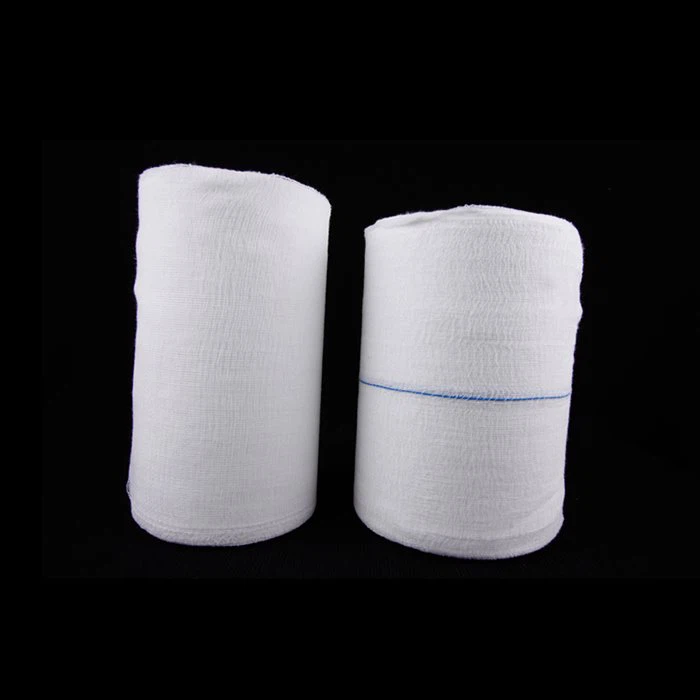
First off, let's talk a bit about Gauze Bandages. They're super versatile and widely used in the medical field. Gauze bandages are made of a woven material that's breathable, which helps prevent skin irritation. You can find them in different sizes and thicknesses, so you can choose the one that suits your needs best. If you're interested in our Gauze Bandage, we've got a great selection.
Getting Ready
Before you start wrapping, you need to get everything in place. Make sure the shoulder area is clean and dry. If there's an open wound, it should be covered with a sterile dressing first. You'll also need a pair of scissors to cut the bandage when you're done.
Now, grab your Gauze Bandage. Unroll a small section of it to get started. It's a good idea to have someone help you with the wrapping, especially if it's your own shoulder. But if you're on your own, don't worry, it's still doable.

The Initial Wrap
Begin by placing the end of the bandage just below the armpit on the affected side. Wrap the bandage around the upper arm, just above the elbow. Make sure it's snug but not too tight. You don't want to cut off the circulation. As you wrap, keep the bandage flat and smooth. Try to overlap each layer by about half of the bandage's width. This helps to keep the wrap secure.
Wrapping the Shoulder
After wrapping the upper arm a couple of times, bring the bandage up over the shoulder. Cross it over the top of the shoulder and then bring it down towards the front of the chest. Wrap it around the chest, just under the opposite arm. Then, bring it back up over the same shoulder and down to the upper arm again.
This pattern of going over the shoulder, around the chest, and back to the arm forms a figure - eight shape. Keep repeating this figure - eight pattern. Each time you go over the shoulder, make sure the bandage is covering the area evenly. The figure - eight wrap is great because it provides good support to the shoulder joint from different angles.
Securing the Wrap
Once you've wrapped the shoulder a few times and you're happy with the coverage and support, it's time to secure the bandage. You can either use medical tape to tape the end of the bandage in place or tie a knot. If you tie a knot, make sure it's on the side of the chest or back, where it won't rub against anything.
Checking the Wrap
After you've finished wrapping, check your work. Feel the area around the shoulder and arm. Make sure there are no areas that feel too tight or too loose. If your fingers start to feel numb or tingly, or if the skin turns blue or pale, the wrap is too tight, and you need to loosen it.
Also, check the mobility of the shoulder. You should still be able to move your arm a little bit, but not so much that the wrap comes loose. If the wrap is too loose, it won't provide the support you need.
When to Use a Different Bandage
Sometimes, a Gauze Bandage might not be the best option. For example, if you need more elastic support, you might want to consider an Elastic Bandage. Elastic bandages are stretchy and can conform better to the shape of the shoulder. They're also great for providing compression, which can help reduce swelling. You can find out more about Elastic Bandages on our website.
Maintaining the Wrap
If you're using the Gauze Bandage for an injury, you'll need to change it regularly. Check the bandage for any signs of dirt, moisture, or blood. If it gets wet or dirty, it can increase the risk of infection. To change the bandage, carefully remove the old one. If it's stuck to the skin, you can use some warm water to gently loosen it. Then, repeat the wrapping process with a new bandage.
Tips for a Better Wrap
- If the bandage starts to bunch up or wrinkle as you're wrapping, stop and smooth it out. A smooth wrap is more comfortable and provides better support.
- Don't wrap the bandage too quickly. Take your time to make sure each layer is in the right place.
- If you're using a large - sized bandage, you can fold it in half lengthwise to make it easier to handle.
Why Choose Our Gauze Bandages
As a Gauze Bandage supplier, we take pride in our products. Our bandages are made from high - quality materials. They're soft on the skin, so they won't cause irritation. And they're strong enough to provide the support you need.
We offer a wide range of sizes and thicknesses to meet different needs. Whether you're a healthcare professional, an athlete, or someone looking to take care of a minor injury at home, we've got the right Gauze Bandage for you.
Contact Us for Purchasing
If you're interested in our Gauze Bandages or other bandage products, we'd love to hear from you. We can offer you great deals and high - quality products. Just reach out to us, and we'll be happy to discuss your requirements and help you with your purchase.
References
- Medical textbooks on first - aid and wound care.
- Professional medical advice from experienced healthcare providers.