

Hey there! As a supplier of medical supplies, especially Gauze Bandages, I've seen firsthand how important it is to know how to properly apply one, especially on a large wound. Today, I'm gonna walk you through the whole process.
First off, let's understand why we're using a Gauze Bandage. Gauze bandages are super versatile. They're made of a woven fabric that's breathable, which means they let air reach the wound, helping it heal faster. And they're absorbent, so they can soak up any blood or other fluids coming from the wound. Plus, they're pretty easy to work with compared to some other types of bandages.
Alright, so before you even start thinking about applying the bandage, you need to make sure the area is clean. Wash your hands thoroughly with soap and water for at least 20 seconds. You can even use an alcohol-based hand sanitizer if you don't have access to soap and water. This is crucial because you don't want to introduce any new germs to the wound.
Once your hands are clean, gently clean the wound itself. You can use a mild antiseptic solution or just plain water. If you're using an antiseptic, make sure to follow the instructions on the bottle. Pat the area dry with a clean, dry cloth. Don't rub the wound, as this can cause more damage and slow down the healing process.
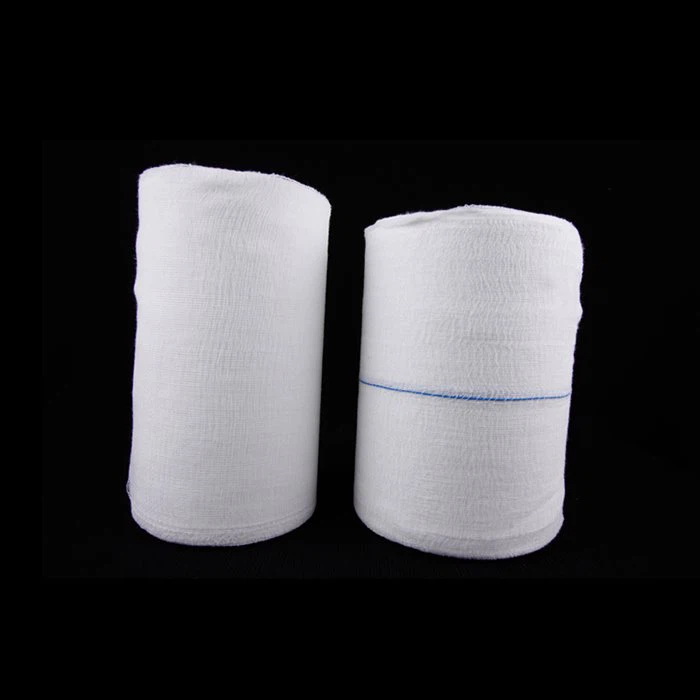

Now, it's time to get your supplies ready. You'll need a Gauze Bandage, of course. Make sure it's a size that's appropriate for the wound. You might also want to have some Surgical Gauze on hand to place directly over the wound before applying the bandage. This can provide an extra layer of protection and absorption.
If the wound is on a joint or an area that moves a lot, you might also consider using an Elastic Bandage in addition to the gauze bandage. The elastic bandage can help keep the gauze in place and provide some support to the area.
Let's start applying the bandage. Place a piece of Surgical Gauze directly over the wound. Make sure it covers the entire wound and overlaps the edges a little bit. This will help prevent any leakage.
Now, take your Gauze Bandage and start at one end of the wound. Hold the end of the bandage in place with one hand and start wrapping it around the wound. Try to wrap it snugly, but not too tight. You want to be able to fit one finger under the bandage. If it's too tight, it can cut off circulation and cause more problems.
As you're wrapping, make sure the layers of the bandage overlap each other by about half. This will help keep the bandage in place and provide better coverage. If the wound is on a limb, wrap the bandage in a spiral motion, moving up or down the limb depending on where the wound is.
When you get to the end of the bandage, secure it with a piece of tape or by tucking the end under the previous layer. Make sure it's secure, but again, not too tight.
Now, check the bandage to make sure it's not too tight or too loose. You can do this by looking at the skin around the bandage. If it's turning blue or purple, or if the person says it feels numb or tingling, the bandage is too tight and you need to loosen it.
After applying the bandage, it's important to keep an eye on the wound. Change the bandage regularly, especially if it gets wet or dirty. This will help prevent infection and keep the wound clean.
If you're still not sure how to apply a gauze bandage or if you have any other questions about our products, don't hesitate to reach out. We're here to help you make the right choice for your medical needs. Whether you're a medical professional or just someone who wants to be prepared for emergencies, our Gauze Bandages are a great option.
Contact us to discuss your procurement needs. We can offer you high-quality products at competitive prices, and we're always ready to provide you with excellent customer service.
References
- Medical textbooks on wound care
- Professional guidelines on first aid and wound dressing