

As a supplier of bandage rolls, ensuring the cleanliness of these essential medical products is of utmost importance. Bandage rolls are widely used in medical settings, first - aid kits, and even in some sports and home care scenarios. Keeping them clean not only maintains their quality but also guarantees their effectiveness and safety for end - users. In this blog, I'll share some key strategies on how to keep bandage rolls clean.
Storage Conditions
The first step in keeping bandage rolls clean is to store them properly. Bandage rolls should be stored in a cool, dry place. Excessive heat and humidity can create a breeding ground for bacteria and mold. A temperature - controlled environment, ideally between 18 - 25 degrees Celsius (64 - 77 degrees Fahrenheit), is recommended. High humidity can cause the bandage material to absorb moisture, which may lead to the growth of microorganisms and degradation of the bandage's integrity.
When it comes to storage containers, use sealed plastic bins or cabinets. This helps to prevent dust, dirt, and other contaminants from settling on the bandage rolls. Avoid storing them in areas prone to dust, such as near construction sites or in open storage areas with high foot traffic. Additionally, keep bandage rolls away from chemicals and strong odors. Some chemicals can react with the bandage materials, and strong odors may be absorbed by the bandages, which could be harmful to patients.
Handling Procedures
Proper handling is crucial in maintaining the cleanliness of bandage rolls. When handling bandage rolls, always ensure that your hands are clean. Wash your hands thoroughly with soap and water for at least 20 seconds before touching the bandages. If soap and water are not available, use an alcohol - based hand sanitizer.
Avoid touching the inner part of the bandage roll that will come into contact with the wound. When unwrapping a bandage roll, hold it by the outer edges or the end that will not be used for dressing. This reduces the risk of transferring bacteria or other contaminants from your hands to the bandage.
If you are working in a medical or first - aid environment, use gloves when handling bandage rolls. Gloves provide an extra layer of protection and prevent direct contact between your hands and the bandages. Make sure to change gloves regularly, especially if they become soiled or damaged.
Packaging Integrity
The packaging of bandage rolls plays a significant role in keeping them clean. High - quality packaging is designed to protect the bandages from external contaminants. When receiving bandage rolls from the manufacturing facility, check the packaging for any signs of damage, such as tears, punctures, or open seals.
If the packaging is damaged, do not use the bandage roll. Damaged packaging allows dirt, dust, and microorganisms to enter, compromising the cleanliness and safety of the bandage. Instead, return the damaged products to the supplier for replacement.
For bandage rolls that are sold in bulk, consider repackaging them in smaller, sealed containers. This not only makes it easier to handle and dispense the bandages but also helps to maintain their cleanliness. Label the new containers with the product name, expiration date, and other relevant information.
Regular Inspections
Regular inspections of bandage rolls are essential to ensure their cleanliness. Set up a schedule for inspecting your inventory. Check for any visible signs of contamination, such as discoloration, mold growth, or foreign objects on the bandages.
Inspect the bandage rolls for any signs of damage to the material itself. Frayed edges, holes, or weak spots can indicate that the bandage may not be suitable for use. If you find any bandage rolls that do not meet the cleanliness and quality standards, remove them from the inventory immediately.
Cleaning the Storage Area
In addition to keeping the bandage rolls themselves clean, it's important to keep the storage area clean. Regularly clean the storage cabinets or bins where the bandage rolls are kept. Use a mild detergent and a clean cloth to wipe down the surfaces. Rinse the surfaces thoroughly and dry them completely to prevent the growth of mold and mildew.
Vacuum or sweep the floor around the storage area to remove any dust or debris. Keeping the storage area clean reduces the risk of contaminants being transferred to the bandage rolls.

Dealing with Contaminated Bandage Rolls
If a bandage roll becomes contaminated, it should not be used. Contamination can occur due to improper handling, damaged packaging, or exposure to dirty environments. When you identify a contaminated bandage roll, isolate it from the rest of the inventory to prevent cross - contamination.
Dispose of the contaminated bandage roll properly. In most cases, it should be placed in a sealed plastic bag and disposed of as medical waste. Follow the local regulations and guidelines for the disposal of medical waste to ensure environmental safety.
Types of Bandage Rolls and Their Cleanliness Requirements
There are different types of bandage rolls, such as Gauze Bandage and Elastic Bandage (Elastic Bandage). Each type has its own characteristics and cleanliness requirements.
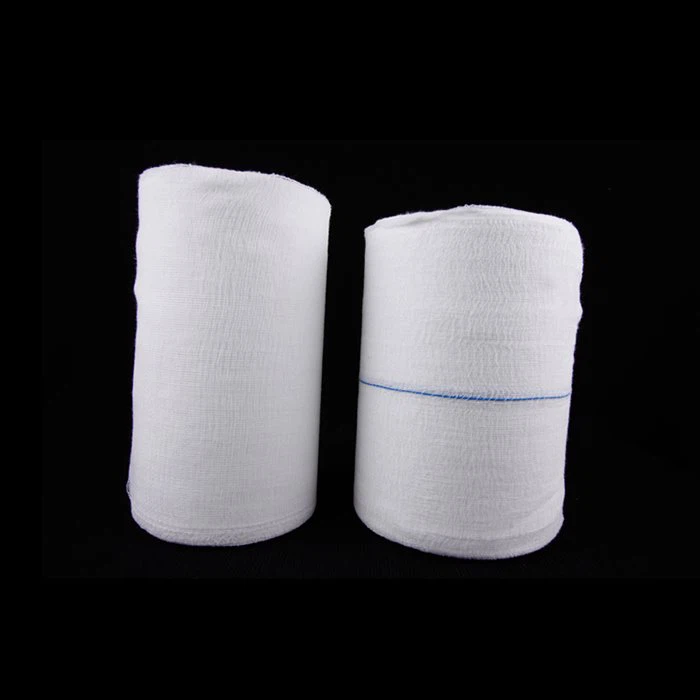
Gauze bandages are porous and absorbent. They are more likely to absorb moisture and contaminants. Therefore, they need to be stored in a very dry environment. When handling gauze bandages, extra care should be taken to avoid getting them wet or soiled.
Elastic bandages, on the other hand, are made of stretchy materials. They are less likely to absorb moisture but can still collect dust and dirt. Regular inspections are necessary to ensure that the elastic properties are not affected by contaminants.
Conclusion
Keeping bandage rolls clean is a multi - faceted process that involves proper storage, handling, packaging, and regular inspections. As a bandage roll supplier, I understand the importance of providing clean and safe products to my customers. By following these strategies, you can ensure that your bandage rolls remain in top - notch condition and are ready for use when needed.
If you are interested in purchasing high - quality bandage rolls or have any questions about their cleanliness and storage, please feel free to contact us for further discussion. We are committed to providing the best products and services to meet your needs.
References
- American Society for Testing and Materials (ASTM). Standards related to medical bandage materials and packaging.
- Centers for Disease Control and Prevention (CDC). Guidelines on hand hygiene and medical waste disposal.
- World Health Organization (WHO). Best practices for the storage and handling of medical supplies.