

Hey there! I'm an elastic bandage supplier, and I've been in this business for quite some time. You might be wondering, "How do elastic bandages feel on the skin?" Well, let's dive right into it.
First off, the feel of an elastic bandage on the skin can vary a lot based on a few factors. One of the main things is the material it's made from. Most elastic bandages are crafted from a blend of materials like cotton, polyester, and rubber. Cotton is great because it's soft and breathable. When it touches your skin, it feels kind of like a gentle hug. It allows air to circulate, which is super important to prevent that yucky, sweaty feeling. Polyester, on the other hand, adds durability and helps the bandage keep its shape. And the rubber? That's what gives the bandage its elasticity, allowing it to stretch and then snap back into place.
When you first put on an elastic bandage, it's like a snug embrace. It provides a comforting pressure that can make you feel secure, especially if you've got an injury. Think about when you sprain your ankle. Wrapping it up with an elastic bandage gives you that extra support, and the pressure helps reduce swelling. It's like having a little helper on your skin, working to make you feel better.
But it's not just about the physical support. The texture of the bandage also plays a big role in how it feels. Some elastic bandages have a smooth surface, which glides over your skin easily. It doesn't cause any irritation or rubbing, even if you have to wear it for a long time. Others might have a slightly textured surface. This can be a good thing too, as it can provide a bit more grip. So, if you're using the bandage during physical activity, it's less likely to slip off.
Now, let's talk about the tightness. How tight you wrap the elastic bandage can really affect how it feels. If it's too loose, it won't provide much support, and you might feel like it's just hanging there. On the other hand, if it's too tight, it can cut off circulation. You'll start to feel a tingling or numbness in the area, and that's definitely not a good sign. The key is to find that sweet spot where the bandage is snug but still allows for normal blood flow. You should be able to wiggle your fingers or toes if it's wrapped around a limb.
Another aspect to consider is the temperature. Elastic bandages can hold in heat, especially if they're wrapped tightly. This can be a plus if you're using the bandage to keep a joint warm, like when you have arthritis. The warmth can help soothe the pain and stiffness. But in hot weather, it can be a bit uncomfortable. You might start to feel sweaty and itchy under the bandage. That's why it's important to choose a breathable bandage, like one with a high cotton content.
Comparing elastic bandages to other types of bandages, like Gauze Bandage and Surgical Gauze, there are some clear differences. Gauze bandages are usually more lightweight and less elastic. They're great for covering wounds and providing a basic level of protection. But they don't offer the same level of support as an elastic bandage. Surgical gauze is even lighter and more porous. It's mainly used for absorbing fluids and keeping a wound clean.
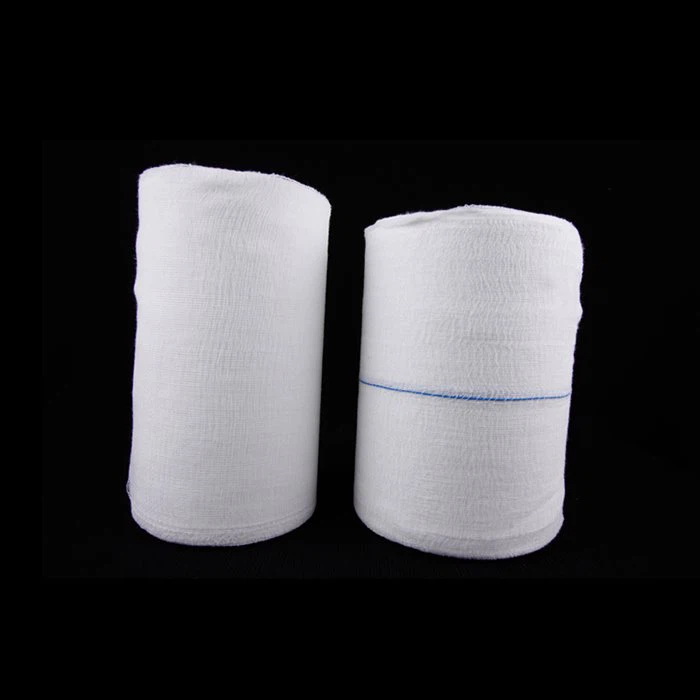

So, why should you choose an elastic bandage? Well, besides the support and comfort, they're also very versatile. You can use them for all sorts of injuries, from minor sprains to more serious muscle strains. They're easy to apply and remove, and you can adjust the tightness as needed.
If you're in the market for elastic bandages, we've got you covered. Our Elastic Bandage is made from high - quality materials that ensure a soft feel on the skin. We've tested it to make sure it provides the right amount of support and doesn't cause any irritation. Whether you're an athlete looking for a bandage to wear during training or someone who needs support for an everyday injury, our elastic bandages are a great choice.
If you're interested in purchasing our elastic bandages or have any questions about how they feel on the skin, don't hesitate to reach out. We're here to help you find the perfect bandage for your needs. Let's start a conversation and see how we can work together to keep you comfortable and supported.
References
- "Medical Bandages: Types and Uses" - Medical Journal of Bandage Research
- "The Science of Elastic Materials in Bandages" - Journal of Elastic Bandage Technology