

Can I use a Gauze Bandage on an open wound?
When it comes to treating open wounds, one of the most common questions that arises is whether a Gauze Bandage can be used. As a supplier of high - quality Gauze Bandage, I'm here to provide you with comprehensive information on this topic.
Understanding Open Wounds
Open wounds are breaks in the skin that expose the underlying tissues. They can be caused by various factors such as cuts, scrapes, burns, or punctures. These wounds are vulnerable to infection as they provide a direct entry point for bacteria and other pathogens. The key goals in treating an open wound are to stop the bleeding, prevent infection, and promote healing.
The Role of Gauze Bandages
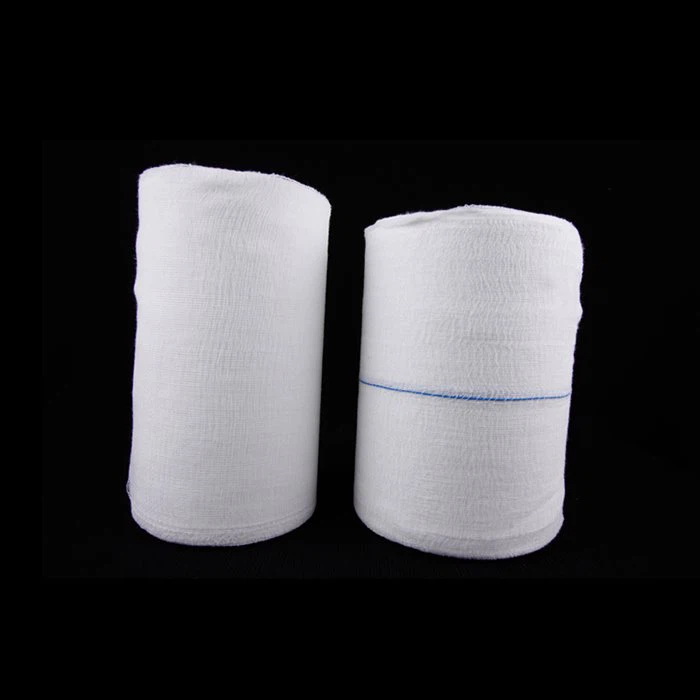
Gauze bandages are made from a loose - woven fabric, usually cotton. They have been a staple in wound care for many years. One of the primary functions of a gauze bandage is to absorb blood and other fluids from the wound. When a wound is bleeding, applying a gauze bandage directly to the site can help to stem the flow of blood by applying pressure and providing a surface for clotting to occur.
Moreover, gauze bandages can act as a physical barrier. They protect the open wound from external contaminants like dirt, dust, and bacteria. This is crucial in preventing infections that could otherwise delay the healing process or cause more serious health issues.
Advantages of Using Gauze Bandages on Open Wounds
- Absorbency: Gauze has excellent absorbent properties. It can soak up large amounts of blood and exudate (the fluid that oozes from a wound). This is particularly important in the early stages of wound healing when there is often a significant amount of fluid drainage. For example, in a deep cut, the gauze can quickly absorb the blood, allowing for better visualization of the wound and facilitating the cleaning process.
- Breathability: The loose weave of the gauze allows air to reach the wound. Oxygen is essential for the healing process as it promotes cell growth and tissue repair. A breathable bandage helps to create an optimal environment for the wound to heal, reducing the risk of maceration (softening and breakdown of the skin due to excessive moisture).
- Versatility: Gauze bandages come in various sizes and forms, including pads and rolls. This makes them suitable for different types of open wounds, from small cuts on fingers to larger abrasions on the legs or arms. They can be easily cut to fit the specific size and shape of the wound, providing a customized fit.
- Cost - effective: Compared to some other advanced wound - care products, gauze bandages are relatively inexpensive. This makes them a practical choice for both home first - aid kits and large - scale medical facilities.
Considerations When Using Gauze Bandages
While gauze bandages are highly useful for open wounds, there are some considerations to keep in mind.
- Adhesion to the Wound: In some cases, especially when the wound is very moist or has a lot of exudate, the gauze can stick to the wound surface. This can be painful when the bandage is removed and may even cause further damage to the newly formed tissue. To prevent this, a non - adherent dressing can be placed between the wound and the gauze bandage.
- Frequency of Changing: It is important to change the gauze bandage regularly. If the bandage becomes saturated with blood or exudate, it can no longer effectively protect the wound from infection. The frequency of changing depends on the type and severity of the wound. For example, a minor cut may only require a bandage change once a day, while a more severe wound may need to be changed several times a day.
- Allergic Reactions: Although rare, some people may be allergic to the materials in the gauze, usually the cotton. Signs of an allergic reaction include itching, redness, and swelling around the wound. If an allergic reaction is suspected, the gauze bandage should be removed immediately, and an alternative dressing should be used.
Comparison with Other Bandages
- Surgical Gauze: Surgical Gauze is a type of gauze that is specifically designed for use in surgical procedures. It is usually more sterile and has a higher level of quality control. While surgical gauze can be used on open wounds, it is often more expensive than regular gauze bandages. In most cases, a standard gauze bandage is sufficient for minor to moderate open wounds outside of a surgical setting.
- Elastic Bandage: Elastic Bandage provides compression in addition to wound protection. It is commonly used for sprains and strains to reduce swelling. However, for open wounds, elastic bandages may not be the best choice initially. The compression can sometimes impede blood flow to the wound, which is not ideal for healing. They can be used in combination with gauze bandages in the later stages of wound healing when swelling needs to be managed.
Proper Application of Gauze Bandages on Open Wounds
- Clean the Wound: Before applying the gauze bandage, the wound should be cleaned gently with mild soap and water or a saline solution. This helps to remove any dirt or debris from the wound.
- Dry the Area: Pat the area around the wound dry with a clean towel. A dry surface will help the gauze bandage adhere better.
- Apply the Gauze: Place the gauze directly over the open wound. If using a roll, wrap it around the affected area in a smooth and even manner, making sure not to wrap it too tightly.
- Secure the Bandage: Use tape or a bandage clip to secure the end of the gauze bandage. Make sure it is secure but not so tight that it restricts blood circulation.
Conclusion
In conclusion, a Gauze Bandage can be a very effective option for treating open wounds. Its absorbency, breathability, versatility, and cost - effectiveness make it a popular choice in wound care. However, proper application and regular monitoring are essential to ensure the best results. Whether you are a first - aider at home or a medical professional in a hospital, understanding the proper use of gauze bandages on open wounds is crucial.
If you are interested in sourcing high - quality Gauze Bandages for your medical needs, we are here to assist you. Our products are manufactured with strict quality control measures to ensure their safety and effectiveness. Contact us for more information and to discuss your procurement requirements.
References

- American Academy of Dermatology. Wound Care Basics.
- World Health Organization. Guidelines for Wound Management.
- Mayo Clinic. First Aid: Wounds.