

Can hospital bandages be used on surgical incisions?
As a supplier of hospital bandages, I've received numerous inquiries regarding the suitability of our products for surgical incisions. This is a crucial topic that touches on patient safety, wound healing, and the quality of medical supplies. In this blog, I'll delve into the science behind using hospital bandages on surgical incisions, explore different types of bandages, and offer guidance on making the right choice.
The Science of Surgical Incision Care
Surgical incisions are carefully made cuts in the skin and underlying tissues during a surgical procedure. Proper care of these incisions is essential to prevent infection, promote healing, and minimize scarring. Bandages play a vital role in this process by providing a protective barrier against external contaminants, absorbing wound exudate, and maintaining a moist environment that is conducive to healing.
The human body has a natural healing process that begins immediately after a surgical incision is made. Platelets in the blood form a clot to stop bleeding, and white blood cells are recruited to the site to fight off potential infections. A moist environment helps to keep the wound bed hydrated, which in turn facilitates the migration of cells involved in the healing process, such as fibroblasts and keratinocytes. Bandages that can maintain this moist environment are often preferred for surgical incisions.

Types of Hospital Bandages and Their Suitability for Surgical Incisions
Gauze Bandage
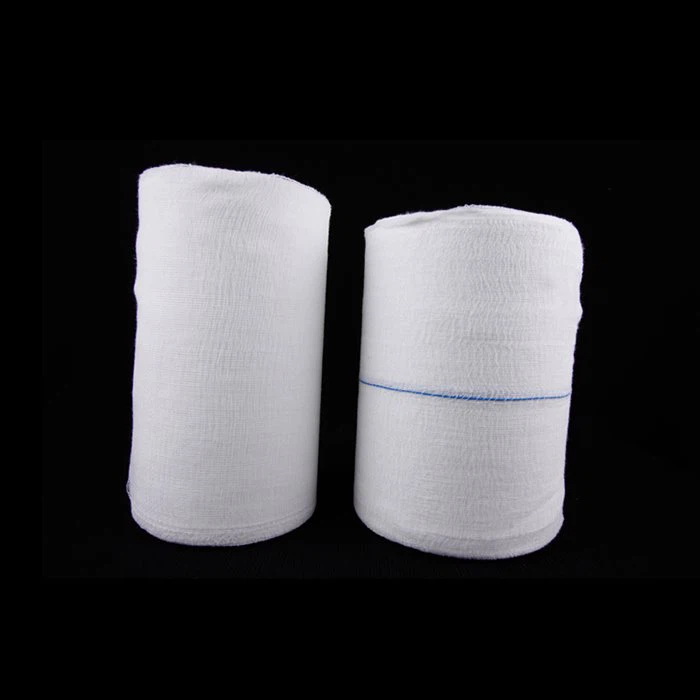
Gauze bandages are one of the most commonly used types of bandages in hospitals. They are made of woven cotton or synthetic fibers and are available in various sizes and thicknesses. Gauze bandages are highly absorbent, which makes them suitable for surgical incisions that produce a moderate to large amount of exudate.
When using a Gauze Bandage on a surgical incision, it is important to ensure that it is changed regularly to prevent the buildup of bacteria and to maintain a clean wound environment. However, gauze bandages can sometimes adhere to the wound, causing pain and trauma when removed. To minimize this risk, a non-adherent dressing can be placed between the gauze and the incision.
Elastic Bandage
Elastic bandages are made of stretchable materials, such as latex or spandex. They are commonly used to provide support and compression to joints and muscles, but they can also be used on surgical incisions in certain situations. Elastic bandages can help to reduce swelling and provide gentle pressure to the incision site, which can aid in the healing process.
Elastic Bandages are particularly useful for surgical incisions on areas of the body that are prone to movement, such as the knees, elbows, and ankles. However, it is important to use them correctly to avoid applying too much pressure, which can impede blood circulation and delay healing. Elastic bandages should be wrapped snugly but not too tightly, and they should be checked regularly for signs of discomfort or swelling.
Bandage Roll
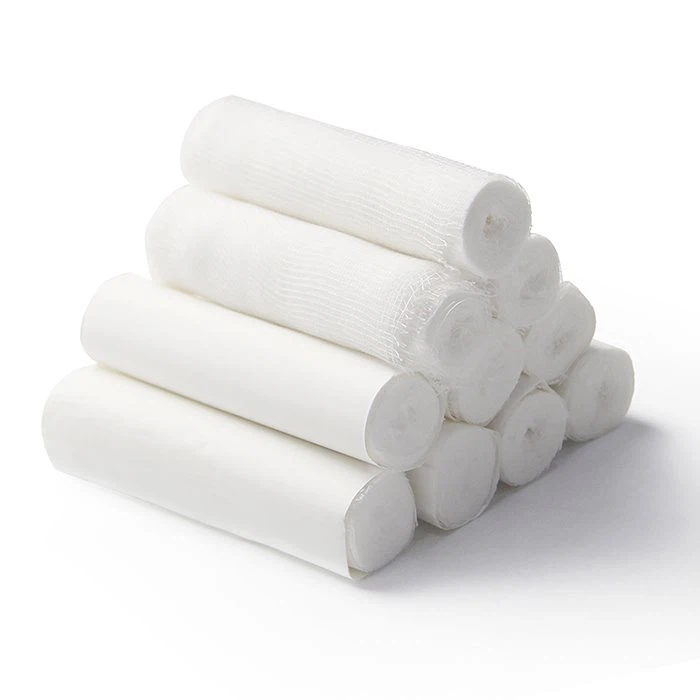
Bandage rolls are continuous strips of bandage material that are wound around a core. They are available in a variety of materials, including cotton, polyester, and rayon, and can be used for a wide range of applications, including surgical incisions. Bandage rolls are easy to apply and can be cut to the desired length, making them a versatile option for wound care.
Bandage Rolls can be used to secure other dressings in place or to provide additional support and protection to the incision site. They are often used in combination with other types of bandages, such as gauze or non-adherent dressings, to create a comprehensive wound care solution.
Factors to Consider When Choosing a Bandage for Surgical Incisions
When selecting a bandage for a surgical incision, several factors should be taken into account:
- Wound Exudate: The amount of exudate produced by the incision will determine the type of bandage that is most suitable. For incisions with a large amount of exudate, a highly absorbent bandage, such as a gauze bandage, may be required. For incisions with minimal exudate, a non-adherent or semi-permeable dressing may be sufficient.
- Wound Location: The location of the incision on the body will also influence the choice of bandage. Incisions on areas that are prone to movement, such as joints, may require a bandage that provides support and flexibility, such as an elastic bandage. Incisions on areas that are more exposed, such as the face or hands, may require a bandage that is discreet and comfortable to wear.
- Patient Sensitivity: Some patients may have sensitive skin or allergies to certain materials, such as latex or adhesives. In these cases, it is important to choose a bandage that is hypoallergenic and gentle on the skin.
- Healing Stage: The stage of the healing process will also affect the choice of bandage. In the early stages of healing, when the incision is still fresh and producing a lot of exudate, a more absorbent bandage may be needed. As the incision begins to heal and the amount of exudate decreases, a less absorbent or semi-permeable dressing may be more appropriate.
Best Practices for Using Bandages on Surgical Incisions
To ensure the best possible outcome when using bandages on surgical incisions, it is important to follow these best practices:
- Clean the Wound: Before applying a bandage, the incision site should be cleaned thoroughly with a mild antiseptic solution to remove any dirt, debris, or bacteria.
- Apply the Bandage Correctly: The bandage should be applied gently and evenly, taking care not to stretch or pull on the incision. It should be secured firmly but not too tightly to avoid restricting blood flow.
- Change the Bandage Regularly: The bandage should be changed according to the healthcare provider's instructions, usually at least once a day or more frequently if the wound is producing a lot of exudate.
- Monitor the Wound: The incision site should be monitored regularly for signs of infection, such as redness, swelling, pain, or discharge. If any of these symptoms occur, the healthcare provider should be notified immediately.
Conclusion
In conclusion, hospital bandages can be used on surgical incisions, but it is important to choose the right type of bandage based on the specific needs of the patient and the characteristics of the incision. Gauze bandages, elastic bandages, and bandage rolls are all viable options, each with its own advantages and disadvantages. By considering factors such as wound exudate, location, patient sensitivity, and healing stage, healthcare providers can make informed decisions about the most appropriate bandage for each patient.
As a supplier of high-quality hospital bandages, we are committed to providing products that meet the highest standards of safety and effectiveness. Our Gauze Bandage, Elastic Bandage, and Bandage Roll are designed to provide optimal wound care and support the healing process. If you are interested in learning more about our products or would like to discuss your specific requirements, please feel free to contact us. We look forward to the opportunity to work with you and contribute to the well-being of your patients.
References
- American College of Surgeons. (2021). Surgical Wound Care. Retrieved from https://www.facs.org/quality-programs/surgical-care/resource-center/wound-care
- National Institute for Health and Care Excellence. (2019). Wound Management: Bandages and Dressings. Retrieved from https://www.nice.org.uk/guidance/ng179
- Wound Healing Society. (2020). Principles of Wound Management. Retrieved from https://www.woundsociety.org/resources/principles-of-wound-management