

Can elastic bandages be used on the arm? That's a question I often get asked as a supplier of Elastic Bandage. People are curious about where they can use our products effectively, and the arm is a common point of interest. So, let's dive right in and explore this topic in detail.
Elastic bandages are super versatile. They're made of stretchy material that conforms well to different body parts, and the arm is no exception. There are plenty of reasons why you might want to use an elastic bandage on your arm.
First off, for sports injuries. A lot of us who are into sports, whether it's basketball, tennis, or even weight - lifting, can end up with minor sprains or strains in our arms. When you twist your wrist while shooting a basketball or strain your bicep during a heavy lift, an elastic bandage can be your best friend. It provides support to the injured area, helping to reduce swelling and pain. The compression from the bandage limits the amount of fluid that can build up around the injury, which is a big part of what causes that painful swelling.
Another reason is post - surgery support. After some arm surgeries, like a tendon repair or a fracture fixation, doctors often recommend using an elastic bandage. It helps keep the surgical site stable, which is crucial for proper healing. The gentle pressure from the bandage can also prevent excessive movement that could disrupt the healing process.
But how do you actually use an elastic bandage on the arm? Well, it's not as complicated as it might seem. Start by cleaning the area of your arm where you're going to apply the bandage. You don't want any dirt or bacteria getting trapped under there. Then, unroll a bit of the bandage and place the end at the base of your wrist or around the area closest to the injury. Wrap the bandage around your arm in a spiral motion, making sure to overlap about half of the previous layer each time you go around. The wrap should be snug but not too tight. You still need to be able to feel your fingers and have good blood circulation. If your fingers start to turn purple or feel tingly, that's a sign the bandage is too tight, and you should loosen it up a bit.
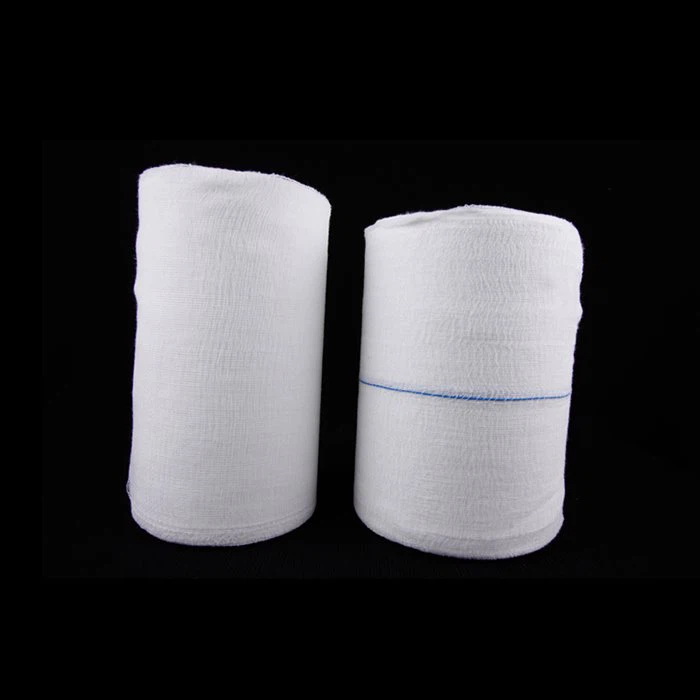
Now, it's worth mentioning that there are different types of bandages available, and elastic ones are just one option. Gauze Bandage is another type. Gauze bandages are more absorbent and are usually used to cover wounds and hold dressings in place. They're not as stretchy as elastic bandages, so they don't offer the same level of compression and support. If you have a bleeding wound on your arm, a gauze bandage might be used first to stop the bleeding and cover the wound, and then an elastic bandage could be applied over it for additional support.
As a supplier of Elastic Bandage, I know that quality is key. Our elastic bandages are made from high - quality materials that are both durable and comfortable. They're designed to provide just the right amount of compression without causing irritation to the skin. We've conducted a lot of tests to make sure our bandages can withstand regular use and still maintain their effectiveness.

But there are some things you need to be careful about when using elastic bandages on your arm. You shouldn't leave them on for too long. Continuous use for an extended period can cause skin problems, like rashes or sores. Also, if you notice any signs of infection, such as increased redness, warmth, or drainage from the area under the bandage, you should remove it and seek medical advice right away.
In addition to the common uses I've mentioned, elastic bandages can also be used for people with conditions like arthritis in the arm. The compression helps to reduce the pain and discomfort associated with the inflammation in the joints. It provides a bit of stability to the affected joints, making it easier for people to move their arms.
If you're an athlete or someone who's prone to arm injuries, having an elastic bandage on hand is a smart idea. You can keep one in your sports bag or first - aid kit. That way, if you have a minor injury during a game or workout, you can quickly apply it and get some relief.
As a supplier, I'm always happy to answer any questions you might have about our elastic bandages. Whether it's about the right size for your arm, how often you can use them, or how to store them properly, just let me know.
If you're in the market for high - quality elastic bandages, we're here to help. Our team of experts can assist you in choosing the right product for your needs. We offer a wide range of elastic bandages that come in different sizes and strengths. Whether you need a small bandage for a finger or a larger one for your upper arm, we've got you covered.
So, if you're interested in purchasing our elastic bandages, don't hesitate to get in touch with us. We're keen to engage in discussions about your procurement needs and find the perfect solution for you. Whether you're a retailer looking to stock up on our products or an individual in need of a reliable first - aid item, we're here to make the process as smooth as possible.
Let's chat about how our Elastic Bandage can meet your requirements and provide the support and comfort you need. Looking forward to hearing from you!
References
- "First Aid Manual": A comprehensive guide on the use of bandages and other first - aid supplies.
- "Sports Medicine Handbook": Discusses the treatment of sports - related injuries, including the use of elastic bandages.
- "Medical Textbook on Wound Care": Covers the use of different types of bandages for wound management and post - surgical care.