

Can elastic bandages be used on the knee? That's a question I get asked a lot as an elastic bandage supplier. I'm here to break it down for you, so you can decide if they're the right choice for knee support.

Why People Consider Using Elastic Bandages on the Knee
First off, let's talk about why elastic bandages are a go - to for many when it comes to knees. The knee is a complex joint that's prone to all sorts of injuries. Whether it's a sprain from a sudden twist during a sports game, tendinitis from overuse, or general soreness after a long day on your feet, the knee takes a beating.
Elastic bandages offer a simple and cost - effective solution. They're easy to find, and you don't need a prescription to get one. When wrapped around the knee, they can provide compression. This compression helps in a few ways. It can reduce swelling by restricting the flow of fluid to the injured area. If you've ever had a swollen knee, you know how uncomfortable it can be. The bandage can also give some stability to the joint. It acts like an extra layer of support, minimizing the movement that could further aggravate the injury.
Benefits of Using Elastic Bandages on the Knee
Compression
As I mentioned, compression is a big plus. When you use an Elastic Bandage, it applies a gentle pressure to the knee. This pressure can speed up the healing process by promoting blood circulation. Good blood flow means that oxygen and nutrients can reach the damaged tissues more quickly, which helps them repair themselves faster.
Stabilization
The knee joint is held together by a bunch of ligaments and muscles. When one of these gets injured, the joint can become unstable. An elastic bandage can help hold the knee in place, reducing the risk of further damage while you're moving around. This is especially useful for athletes who want to stay in the game but need some extra support for their knee.
Customizable Fit
One of the great things about elastic bandages is that you can adjust the tightness to suit your needs. If you want a looser fit for just a little bit of support, you can wrap it more loosely. On the other hand, if you need a firmer compression to reduce swelling, you can make the wrapping a bit tighter. Just make sure not to wrap it so tight that it cuts off circulation!
How to Use Elastic Bandages on the Knee
Proper application is key when using an elastic bandage on the knee. Here's a step - by - step guide:
- Prepare the Knee: First, make sure your knee is clean and dry. You can also put on a thin layer of a protective barrier, like a piece of cloth or a sock, to prevent the bandage from rubbing against your skin.
- Start Wrapping: Begin just below the kneecap. Wrap the bandage around the lower part of the knee in a circular motion. Make sure each layer overlaps the previous one by about half.
- Go Over the Kneecap: As you wrap up, go over the kneecap in a figure - eight pattern. This will help keep the bandage in place and provide support directly to the joint.
- Continue Wrapping: Keep wrapping up the leg, above the knee, again making sure to overlap the layers.
- Secure the Bandage: Once you've wrapped enough, you can use the clips or fasteners on the bandage to secure it.
Potential Drawbacks
While elastic bandages have a lot of benefits, there are also some potential drawbacks to using them on the knee.
Skin Irritation
The bandage can rub against your skin, especially if you're wearing it for a long time. This can cause redness, itching, or even blisters. To avoid this, make sure to take breaks from wearing the bandage and keep your skin clean.
Incorrect Wrapping
If you wrap the bandage too tightly, it can cut off blood circulation. You'll know if this is happening if your foot starts to feel cold, numb, or tingly. On the other hand, if it's wrapped too loosely, it won't provide the necessary support or compression.
Limited Long - Term Use
Elastic bandages are great for short - term support and recovery. But if you rely on them for too long, your knee muscles might weaken because they're not doing as much work as they normally would.
When to Seek Professional Help
Just because elastic bandages can be useful doesn't mean they're a substitute for professional medical advice. If you've had a serious knee injury, like a major ligament tear or a fracture, an elastic bandage won't be enough. You should see a doctor right away.
Also, if you're experiencing severe pain, swelling that doesn't go down, or your knee keeps giving out, it's time to get a proper diagnosis. A medical professional can tell you if an elastic bandage is appropriate or if you need more advanced treatment.
Our Elastic Bandage Products
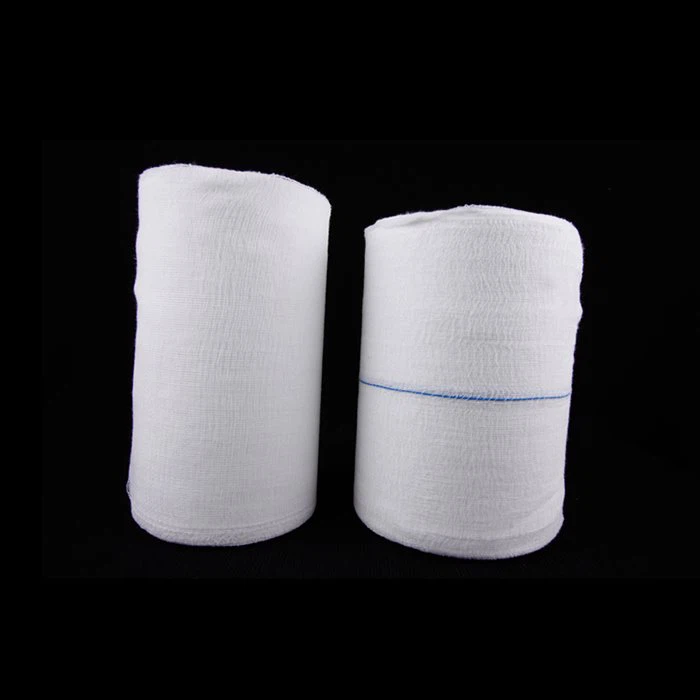
As an elastic bandage supplier, we offer a wide range of Elastic Bandage products. Our bandages are made from high - quality materials that are both durable and comfortable. They come in different sizes and colors, so you can find the one that suits your needs.
We also have Disposable Medical Bandage options that are great for single - use applications. These are hygienic and perfect for medical facilities or home use when you need a clean and convenient solution.
Conclusion
So, can elastic bandages be used on the knee? Absolutely! They can be a great tool for providing compression, support, and promoting healing. But like any product, they have their pros and cons, and it's important to use them correctly.
If you're interested in our elastic bandage products for medical, sports, or home use, don't hesitate to reach out for more information or to start a procurement negotiation.
References
- "The Knee: Structure and Function" - A medical textbook on knee anatomy and injury prevention.
- "Elastic Bandage Usage Guidelines" - Published by a professional medical association.