

Hey there! As a supplier of Elastic Bandages, I've seen a whole lot of questions about the right way to wrap these handy things. So, I thought I'd share some insights on the recommended wrapping patterns for elastic bandages.
First off, let's talk about why elastic bandages are so popular. Elastic Bandages are super versatile. They're used for all sorts of reasons, like supporting joints, reducing swelling, and providing compression to injured areas. Whether you're an athlete dealing with a sprain or someone with a minor injury, an elastic bandage can be a real lifesaver. You can check out our range of Elastic Bandage on our website.
Now, onto the wrapping patterns. There are a few different ways to wrap an elastic bandage, and the right one depends on where you're using it and what you're trying to achieve.
Spiral Wrapping
One of the most common wrapping patterns is the spiral wrap. This is great for covering long, straight areas of the body, like the forearm or lower leg. To do a spiral wrap, start at the end closest to the body, say, your wrist if you're wrapping your forearm. Hold the end of the bandage in place and start wrapping it around the limb in a spiral motion, overlapping about half of the width of the bandage with each turn. Make sure it's snug but not too tight – you don't want to cut off circulation.
The spiral wrap is simple and effective. It provides even compression along the length of the limb, which helps reduce swelling and support the muscles. It's also easy to adjust if you need to loosen or tighten it. If you're interested in our high - quality Elastic Bandage for this type of wrapping, just head over to our website.
Figure - Eight Wrapping
The figure - eight wrap is ideal for joints like the ankle or knee. These joints are complex, and the figure - eight pattern allows for a more targeted and secure wrap. Start by wrapping the bandage around the lower part of the joint, like the foot if it's an ankle. Then, cross the bandage over the joint and wrap it around the upper part, creating an "8" shape. Keep repeating this pattern, making sure to overlap the bandage as you go.
This wrap provides excellent support to the joint, stabilizing it and preventing excessive movement. It's especially useful for sprains or strains in these areas. When wrapping, pay attention to how the bandage feels. You want it to be firm enough to support the joint but still allow for some natural movement.
Recurrent Wrapping
Recurrent wrapping is often used for the head, fingers, or toes. It's a bit different from the other two. For example, if you're wrapping a finger, start at the tip. Wrap the bandage around the finger once, then fold the end back over the top of the finger and continue wrapping in a circular motion. Keep doing this, folding the bandage back each time, until you've covered the area you need to.
This pattern is great for small, irregularly shaped areas. It provides a tight, secure fit without the need for a long, continuous wrap. If you're looking for a Disposable Medical Bandage for this type of wrapping, we've got you covered.
Tips for Wrapping
No matter which wrapping pattern you choose, there are a few general tips to keep in mind. First, make sure the skin is clean and dry before applying the bandage. This helps prevent irritation and infection. Second, always check the circulation in the area after wrapping. You can do this by pressing on a fingernail or toenail. If the color doesn't return within a couple of seconds, the bandage is too tight, and you need to loosen it.
Also, don't leave the bandage on for too long. Depending on the injury, you may need to remove it periodically to let the skin breathe and check for any signs of irritation or swelling. If you're unsure about how long to keep the bandage on, it's always a good idea to consult a medical professional.
Choosing the Right Bandage
When it comes to choosing an elastic bandage, there are a few things to consider. The size is important. You want a bandage that's wide enough to cover the area you're wrapping but not so wide that it's difficult to work with. For example, a 2 - inch bandage is great for fingers and small joints, while a 4 - inch bandage is better for larger areas like the thigh or upper arm.
The material of the bandage also matters. Look for a bandage that's made of a breathable material. This helps prevent sweating and itching under the bandage. Our elastic bandages are made from high - quality materials that are both comfortable and effective.

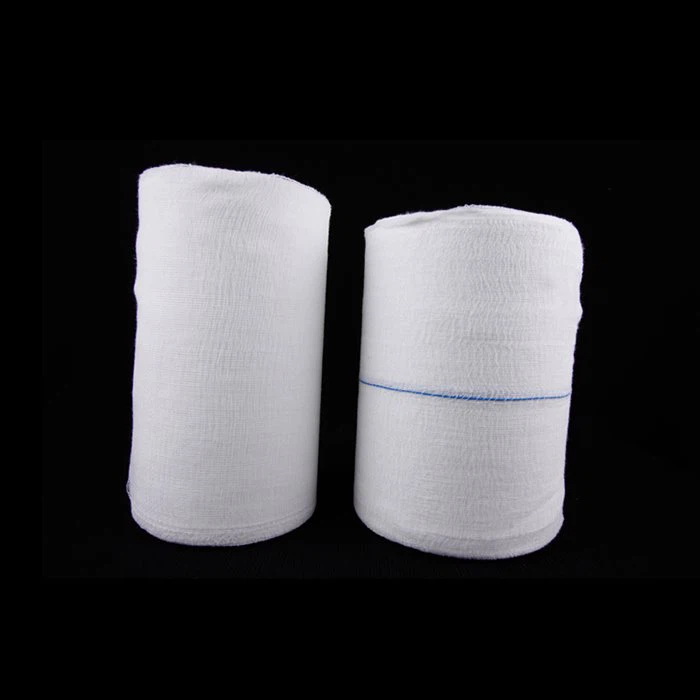
Importance of Correct Wrapping
Using the right wrapping pattern is crucial. Incorrect wrapping can lead to a number of problems. If the bandage is too loose, it won't provide the support or compression you need. On the other hand, if it's too tight, it can cause circulation problems, nerve damage, and skin irritation.
By following the recommended wrapping patterns, you can ensure that the bandage does its job properly. It'll help with pain relief, reduce swelling, and support the injured area during the healing process.
When to Seek Professional Help
While elastic bandages are great for minor injuries, there are times when you should seek professional medical help. If the pain is severe, if there's a lot of swelling, or if you notice any signs of infection, like redness, warmth, or pus, it's time to see a doctor. Also, if you're not sure how to wrap the bandage correctly, don't hesitate to ask a healthcare provider.
Conclusion
In conclusion, understanding the recommended wrapping patterns for elastic bandages is essential. Whether it's a spiral wrap for a long limb, a figure - eight wrap for a joint, or a recurrent wrap for a small area, each pattern has its own benefits. And with the right bandage and proper wrapping technique, you can effectively support injuries and promote healing.
If you're in the market for high - quality elastic bandages, we're here to help. Our range of bandages is designed to meet your needs, whether you're a healthcare professional, an athlete, or just someone looking for a reliable solution for minor injuries. If you have any questions or want to discuss your procurement needs, feel free to reach out. We're always happy to have a chat and help you find the right products for you.
References
- Textbook of First Aid and Emergency Care
- Journal of Sports Medicine and Physical Fitness (related articles on injury management)