

Hey there! As a supplier of Elastic Bandages, I've seen a bunch of common mistakes people make when using these handy products. And I'm here to spill the beans and help you use elastic bandages the right way.
1. Incorrect Wrapping Tension
One of the most frequent mistakes is getting the wrapping tension wrong. Some folks wrap the bandage way too tight. They think that a super - tight wrap will offer better support, but in reality, it can cause a whole lot of problems. When you wrap an elastic bandage too tightly, it restricts blood flow. You might start to notice that the area below the bandage turns pale, feels cold, or becomes numb. In severe cases, it can even lead to tissue damage over time.
On the flip side, wrapping the bandage too loosely is also a no - go. A loose bandage won't provide the necessary support. It'll just slide around, and you'll find yourself constantly readjusting it. And if it's not doing its job of supporting the injured area, your recovery might take longer.
To get the tension right, start by wrapping the bandage snugly, but you should still be able to slide a finger under it easily. As you wrap, make sure the tension is consistent throughout. If you're not sure, you can always ask a healthcare professional for advice. You can check out our Elastic Bandage product page for more details on proper usage.
2. Improper Wrapping Technique
Another big mistake is using the wrong wrapping technique. Some people just wrap the bandage in a haphazard way, without following any specific pattern. For example, when wrapping a joint like the ankle or knee, you need to use a figure - eight pattern. This pattern helps to distribute the pressure evenly around the joint and provides better support.
If you wrap the bandage in a straight line around the joint, it can create pressure points. These pressure points can be really uncomfortable and may even cause skin irritation. Also, a poorly wrapped bandage might not stay in place, and you'll end up having to re - wrap it frequently.
It's also important to start the wrapping at the correct point. For most injuries, you should start wrapping from the farthest point from the heart. For instance, when wrapping an ankle, start at the toes and work your way up. This helps to prevent swelling from building up in the lower part of the limb. Our Bandage Roll can be a great option for proper wrapping, and the product page has some tips on techniques.
3. Not Cleaning the Area First
Many people forget to clean the area before applying an elastic bandage. This is a huge mistake. If the skin is dirty or has any debris on it, it can cause infections. The bandage creates a warm and moist environment, which is perfect for bacteria to grow.
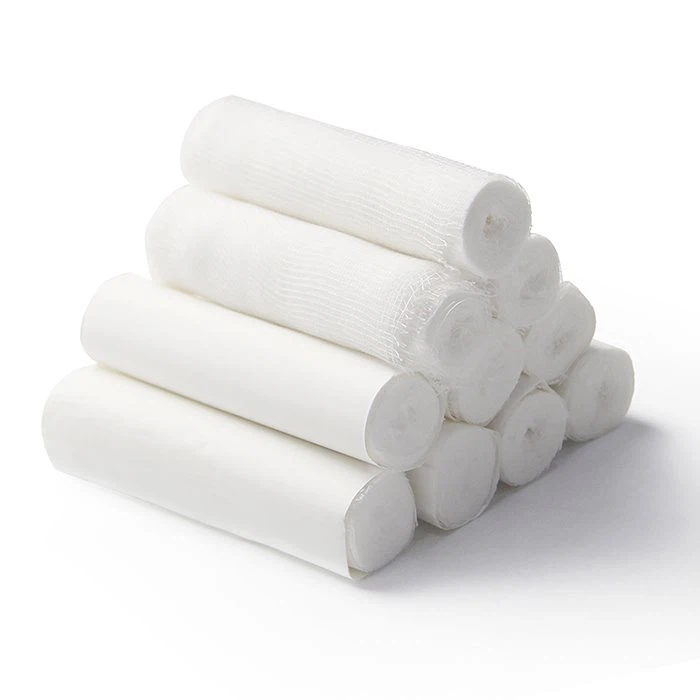
Before you wrap the bandage, gently clean the area with mild soap and water. Pat it dry thoroughly. If there are any cuts or abrasions, you might want to apply a thin layer of an antibacterial ointment. This helps to prevent infections and keeps the skin healthy. Our Gauze Bandage can be used in conjunction with the elastic bandage for wound care, and it's important to have a clean surface for it to work effectively.
4. Leaving the Bandage on for Too Long
Leaving an elastic bandage on for an extended period is a common error. While the bandage is designed to provide support, the skin needs to breathe. If you keep the bandage on for days without removing it, it can lead to skin problems. The skin may become irritated, develop rashes, or even start to break down.
It's generally recommended to remove the bandage at least once a day to check the skin underneath. Look for any signs of redness, swelling, or irritation. If you notice any problems, take a break from using the bandage and consult a healthcare provider. You can re - apply the bandage after the skin has had a chance to recover.
5. Using the Wrong Size
Using the wrong size of elastic bandage is another pitfall. If the bandage is too wide, it might not fit properly around the area you're trying to support. It can be difficult to wrap it tightly enough, and it may not provide the right amount of compression. On the other hand, if the bandage is too narrow, you'll have to make more wraps, which can increase the risk of uneven pressure and discomfort.
Before you buy an elastic bandage, measure the area you need to wrap. Most elastic bandages come in different widths, so choose the one that's appropriate for your needs. You can find a variety of sizes on our Elastic Bandage product page.
6. Ignoring Signs of Allergic Reactions
Some people may be allergic to the materials used in elastic bandages. If you start to notice itching, redness, or a rash shortly after applying the bandage, it could be an allergic reaction. Ignoring these signs can make the situation worse.
If you suspect an allergic reaction, remove the bandage immediately. Wash the area with mild soap and water to remove any residue from the bandage. You can then try using a different type of bandage, such as a hypoallergenic one. It's always a good idea to test a small area of skin with the bandage before applying it fully, especially if you have sensitive skin.

7. Not Securing the Ends Properly
Failing to secure the ends of the elastic bandage properly is a common oversight. If the ends aren't secured, the bandage can come loose, and all your hard work of wrapping it correctly goes to waste.
There are several ways to secure the ends. You can use safety pins, but make sure they don't poke through the bandage and irritate the skin. Some elastic bandages come with built - in fasteners, like Velcro strips. These are usually more convenient and safer to use. Make sure the fasteners are tight enough to keep the bandage in place but not so tight that they cause discomfort.
Conclusion
So, there you have it - the common mistakes when using elastic bandages. By avoiding these errors, you can ensure that you get the most out of your elastic bandage and promote a faster recovery. If you're in the market for high - quality elastic bandages, we're here to help. We offer a wide range of elastic bandages, along with Bandage Roll and Gauze Bandage options to meet your needs.
If you have any questions about our products or need advice on using elastic bandages, don't hesitate to reach out. We're always happy to assist you with your procurement and answer any questions you might have. Let's work together to make sure you have the right supplies for your needs.
References
- American Academy of Orthopaedic Surgeons. "Proper Use of Bandages and Wraps."
- Mayo Clinic. "Wound Care: How to Care for a Wound at Home."