

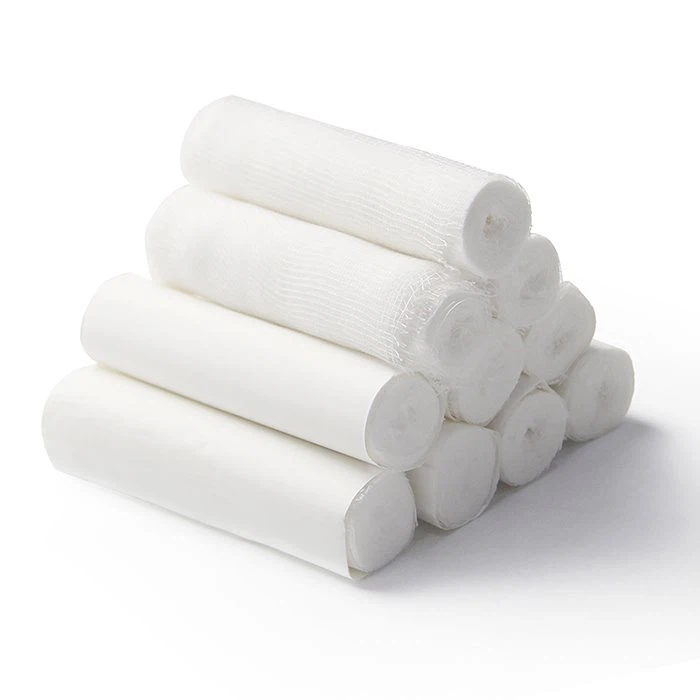
A gauze bandage is a staple in first - aid kits and medical settings. Its porous nature allows the wound to breathe, facilitating the healing process. However, one of the most common issues patients and medical professionals face is the bandage sticking to the wound, which can cause pain during removal and potentially disrupt the healing tissue. As a trusted gauze bandage supplier, we understand these challenges and are here to share some effective strategies to prevent a gauze bandage from sticking to the wound.
Understanding Why Gauze Bandages Stick
Before we delve into the solutions, it's important to understand why gauze bandages stick in the first place. When a wound bleeds, the blood contains fibrin, a protein that helps in clotting. As the blood dries, fibrin forms a mesh - like structure that can adhere to the fibers of the gauze bandage. Additionally, wound exudate, which is a fluid that contains white blood cells, proteins, and other substances, can also cause the bandage to stick as it dries on the surface of the bandage.
Pre - Treatment of the Wound
- Proper Cleaning: Thoroughly clean the wound with a mild antiseptic solution. This helps to remove any debris, dirt, or excess blood that could contribute to the bandage sticking. For minor wounds, saline solution is a great option as it is gentle on the skin and does not cause irritation. Make sure to pat the wound dry gently with a clean, soft cloth before applying the bandage.
- Applying a Barrier: One of the most effective ways to prevent sticking is to apply a thin layer of a barrier substance over the wound. Petroleum jelly is a classic choice. It creates a protective layer between the wound and the bandage, preventing the fibrin and exudate from coming into direct contact with the gauze. Other options include antibiotic ointments. Not only do they prevent sticking, but they also help to prevent infection. Apply a small amount of the ointment evenly over the wound using a clean cotton swab or your gloved finger.
Choosing the Right Bandage
- Specialty Non - Stick Bandages: There are Disposable Medical Bandage available in the market that are specifically designed to be non - stick. These bandages have a special coating on the side that comes into contact with the wound, which prevents adhesion. They are a great option for patients who are sensitive to pain during bandage removal or for wounds that are likely to produce a lot of exudate.
- Appropriate Size and Type of Gauze: Selecting the right size and type of gauze is crucial. A bandage that is too small may not cover the wound adequately, while one that is too large can bunch up and cause irritation. For smaller wounds, a small square of gauze may be sufficient, while larger wounds may require a Bandage Roll. Different types of gauze have different levels of absorbency. For wounds that produce a lot of exudate, choose a more absorbent gauze to prevent the fluid from soaking through and causing the bandage to stick.
Proper Bandage Application
- Avoiding Over - Tightening: When applying the bandage, make sure not to wrap it too tightly. A tight bandage can impede blood circulation, which can slow down the healing process and also increase the likelihood of the bandage sticking. Wrap the bandage snugly enough to stay in place but loose enough to allow some movement and air circulation.
- Smoothing the Bandage: As you apply the bandage, smooth out any wrinkles or folds. Wrinkles can trap exudate and blood, increasing the chance of sticking. Start from the center of the wound and work your way outwards, making sure the bandage lies flat on the skin.
Bandage Maintenance
- Regular Changes: Changing the bandage at regular intervals is important. If the bandage becomes saturated with exudate or blood, it is more likely to stick. For minor wounds, changing the bandage once or twice a day may be sufficient, while for more severe wounds, more frequent changes may be required. Follow the advice of a medical professional regarding the appropriate frequency of bandage changes.
- Moistening the Bandage: If the bandage has started to stick, instead of pulling it off forcefully, moisten it with a small amount of saline solution. This can help to loosen the adhesion between the bandage and the wound. Let the saline soak in for a few minutes before gently removing the bandage.
Using Gauze Alternatives
In some cases, using alternatives to traditional gauze bandages may be beneficial. For example, hydrocolloid dressings are self - adhesive and create a moist environment that promotes healing. They are less likely to stick to the wound and can be left in place for a longer period of time. Foam dressings are also a good option for wounds with a lot of exudate as they have high absorbency and do not adhere to the wound.
Quality of the Gauze Bandage
As a Gauze Bandage supplier, we take pride in providing high - quality products. The quality of the gauze can also play a role in preventing sticking. High - quality gauze is made from fine fibers that are less likely to catch on the wound. It also has better absorbency and is more likely to maintain its integrity during the healing process.
In conclusion, preventing a gauze bandage from sticking to the wound involves a combination of proper wound care, choosing the right bandage, and following correct application and maintenance procedures. By implementing these strategies, patients can experience less pain during bandage removal, and the healing process can be more efficient.
If you are a medical institution, a first - aid provider, or an individual looking for high - quality gauze bandages and other medical supplies, we are here to serve you. We offer a wide range of products that are designed to meet your needs. Contact us to discuss your procurement requirements and start a partnership that ensures the best care for your patients.

References
- American Academy of Dermatology. "Caring for Wounds at Home."
- World Health Organization. "Guidelines on First Aid."
- Medical Journal of Wound Care. "Preventing Bandage Adhesion in Wound Management."