

Removing a bandage roll without hurting the wound is a crucial skill that requires careful attention and the right techniques. As a Bandage Roll supplier, I've witnessed the importance of proper bandage removal in promoting wound healing and patient comfort. In this blog, I'll share some practical tips and insights on how to safely remove a bandage roll, ensuring minimal pain and irritation to the wound.
Understanding the Bandage and the Wound
Before attempting to remove a bandage roll, it's essential to understand the type of bandage you're dealing with and the condition of the wound underneath. Different types of bandages, such as Elastic Bandage, Bandage Roll, and Surgical Gauze, have unique properties and removal requirements.
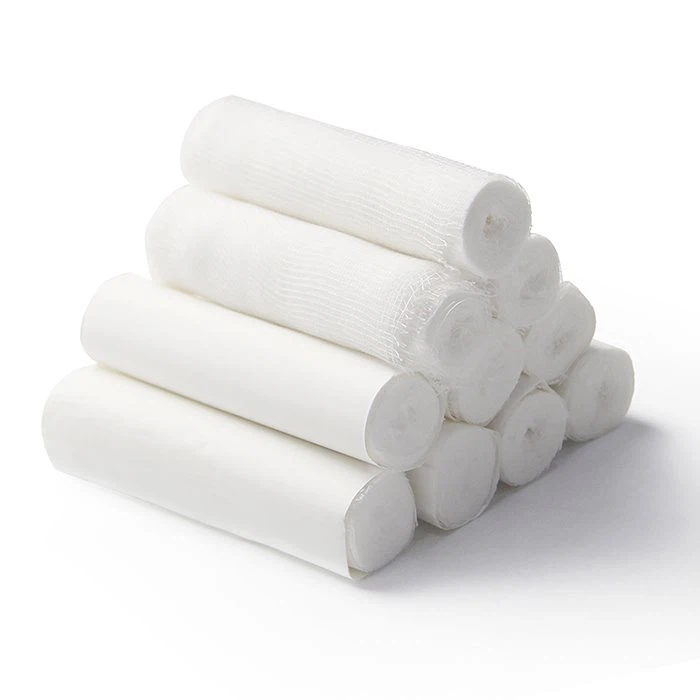
Elastic bandages are stretchy and conform to the body's contours, providing support and compression. They're commonly used for sprains, strains, and joint injuries. Bandage rolls, on the other hand, are typically made of cotton or other absorbent materials and are used to cover and protect wounds. Surgical gauze is a sterile, porous material that's often used to dress surgical wounds and absorb blood and other fluids.
The condition of the wound also plays a significant role in bandage removal. If the wound is fresh and still bleeding, it's important to be extra careful to avoid disturbing the clot and causing further bleeding. If the wound is infected or has a lot of discharge, you may need to take additional precautions to prevent the spread of bacteria.
Preparing for Bandage Removal
Once you've assessed the type of bandage and the condition of the wound, it's time to prepare for bandage removal. Here are some steps you can take to ensure a smooth and pain-free process:
- Gather your supplies: You'll need a pair of clean, sharp scissors, a clean towel or cloth, and a mild antiseptic solution. Make sure your scissors are sharp enough to cut through the bandage without tugging or pulling on the skin.
- Wash your hands: Before touching the bandage or the wound, wash your hands thoroughly with soap and water to prevent the spread of bacteria.
- Position the patient comfortably: Make sure the patient is lying or sitting in a comfortable position, with the wound exposed and easily accessible. If the wound is on a limb, you may want to elevate it slightly to reduce swelling and pain.
- Explain the process to the patient: Let the patient know what to expect during bandage removal and reassure them that you'll do your best to minimize any discomfort.
Removing the Bandage Roll
Now that you're prepared, it's time to remove the bandage roll. Here are some tips to help you do it safely and effectively:
- Cut the bandage: Use your scissors to carefully cut through the bandage at the end nearest to the wound. Be careful not to cut the skin or the wound itself.
- Loosen the bandage: Once you've cut through the bandage, gently loosen it from the skin by pulling on one end. If the bandage is stuck to the skin, you can try moistening it with a small amount of warm water or saline solution to make it easier to remove.
- Remove the bandage slowly: As you loosen the bandage, continue to pull it away from the skin slowly and gently. If you encounter any resistance or pain, stop and reassess the situation. You may need to use a different approach or seek medical advice.
- Dispose of the bandage properly: Once you've removed the bandage, place it in a clean, sealed container and dispose of it properly. Avoid touching the used bandage with your bare hands to prevent the spread of bacteria.
Caring for the Wound After Bandage Removal
After you've removed the bandage roll, it's important to care for the wound properly to promote healing and prevent infection. Here are some steps you can take:
- Clean the wound: Use a clean towel or cloth to gently clean the wound with a mild antiseptic solution. Be careful not to scrub the wound too hard, as this can cause further irritation and damage.
- Inspect the wound: Take a close look at the wound to make sure it's healing properly. Look for signs of infection, such as redness, swelling, warmth, or pus. If you notice any of these signs, seek medical advice immediately.
- Apply a new bandage: Once the wound is clean and dry, apply a new bandage to protect it from further injury and promote healing. Make sure the new bandage is the right size and type for the wound and is applied securely but not too tightly.
- Monitor the wound: Keep an eye on the wound over the next few days to make sure it's healing properly. If you notice any changes in the wound's appearance or if the patient experiences any pain, swelling, or other symptoms, seek medical advice.
Tips for Minimizing Pain and Discomfort
Bandage removal can be uncomfortable, especially if the wound is sensitive or the bandage is stuck to the skin. Here are some tips to help minimize pain and discomfort during bandage removal:
- Use a numbing cream: If the patient is particularly sensitive or if the wound is in a sensitive area, you can apply a numbing cream to the skin before bandage removal. Make sure to follow the instructions on the cream carefully and wait the recommended amount of time before removing the bandage.
- Apply a warm compress: Applying a warm compress to the bandage for a few minutes before removal can help to loosen the bandage and reduce pain and discomfort. You can use a warm, damp towel or a heating pad set on low.
- Use a gentle touch: When removing the bandage, use a gentle touch and avoid tugging or pulling on the skin. If the bandage is stuck, try moistening it with a small amount of warm water or saline solution to make it easier to remove.
- Distract the patient: If the patient is feeling anxious or uncomfortable, you can try distracting them with a conversation or a simple activity. This can help to take their mind off the bandage removal and reduce their pain and discomfort.
Conclusion
Removing a bandage roll without hurting the wound is a skill that requires patience, care, and attention to detail. By following the tips and techniques outlined in this blog, you can ensure a smooth and pain-free bandage removal process and promote healing and comfort for your patients.
As a Bandage Roll supplier, I'm committed to providing high-quality bandages and other wound care products that meet the needs of healthcare professionals and patients alike. If you're interested in learning more about our products or would like to discuss your bandage procurement needs, please don't hesitate to contact us. We'd be happy to help you find the right solutions for your healthcare facility.

References
- American Academy of Dermatology. (n.d.). How to change a bandage. Retrieved from https://www.aad.org/public/diseases/a-z/bandage-change-how-to
- Mayo Clinic. (n.d.). Wound care: How to care for a wound. Retrieved from https://www.mayoclinic.org/first-aid/first-aid-wounds/basics/art-20056819
- WebMD. (n.d.). How to change a bandage. Retrieved from https://www.webmd.com/first-aid/how-to-change-a-bandage