

In the medical field, syringes are indispensable tools for various medical procedures, from vaccinations to administering medications. Among the different types of syringes available, single - use and multi - use sterile syringes stand out, each with its own set of characteristics. As a supplier of [Sterile Syringe], it is crucial to understand these differences to better serve our customers.
Design and Structure
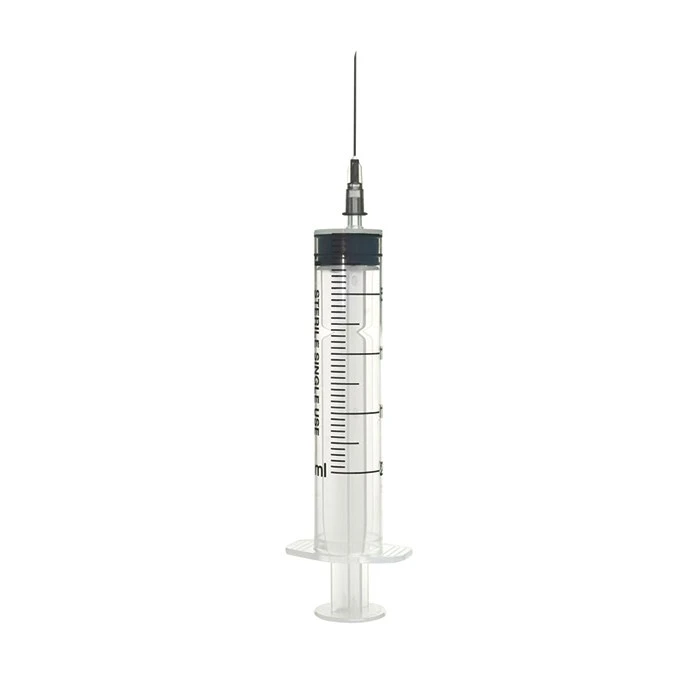
Single - use sterile syringes are designed for one - time use only. They are typically pre - filled with a specific amount of medication or are used to draw up a single dose of a drug. These syringes are often made of plastic, which is lightweight and cost - effective. The design is simple, usually consisting of a barrel, a plunger, and a needle. Once used, they are intended to be discarded to prevent the spread of infections.
On the other hand, multi - use sterile syringes are built to be reused multiple times. They are often made of more durable materials such as glass or high - quality plastic. These syringes have a more complex design, with features that allow for easy disassembly and cleaning. They usually come with a detachable needle, which can be replaced after each use or after a certain number of uses.
Sterility Assurance
Both single - use and multi - use sterile syringes must meet strict sterility standards. Single - use syringes are sterilized during the manufacturing process and are sealed in a sterile package. Once the package is opened, the syringe should be used immediately and then discarded. This ensures that the syringe remains sterile until the moment of use.
Multi - use syringes, however, require a different approach to sterility. After each use, they need to be thoroughly cleaned and sterilized before they can be used again. This typically involves a combination of mechanical cleaning and chemical or heat sterilization methods. For example, they can be autoclaved at high temperatures to kill any bacteria or viruses. However, the effectiveness of the sterilization process depends on proper handling and following the correct procedures.

Cost Considerations
Single - use sterile syringes are generally more expensive on a per - unit basis compared to multi - use syringes. This is because of the cost of manufacturing, packaging, and ensuring sterility for each individual syringe. However, when considering the overall cost, single - use syringes can be more cost - effective in some situations. For example, in a large - scale vaccination campaign, the cost of cleaning and sterilizing multi - use syringes can be significant, including the cost of labor, equipment, and chemicals.
Multi - use syringes, while having a lower initial purchase price, require additional costs for maintenance and sterilization. The cost of cleaning agents, sterilization equipment, and the time spent on the sterilization process can add up over time.
Safety and Infection Control
Single - use syringes offer a high level of safety in terms of infection control. Since they are used only once, there is no risk of cross - contamination between patients. This is especially important in settings where the risk of infectious diseases is high, such as in hospitals or clinics.
Multi - use syringes, if not properly sterilized, can pose a significant risk of infection. There have been cases where improper sterilization of multi - use syringes has led to the spread of diseases such as hepatitis B, hepatitis C, and HIV. Therefore, strict protocols must be followed when using multi - use syringes to ensure patient safety.
Environmental Impact
Single - use syringes contribute to a significant amount of medical waste. The plastic and other materials used in these syringes are often not biodegradable, and disposing of them can be a challenge. In recent years, there has been a growing concern about the environmental impact of single - use medical devices.
Multi - use syringes, on the other hand, have a lower environmental impact as they can be reused multiple times. However, the energy and resources required for cleaning and sterilization also need to be considered.
Applications
Single - use syringes are commonly used in situations where convenience and safety are of utmost importance. They are widely used in vaccination programs, emergency medicine, and outpatient clinics. For example, in a mass vaccination drive, single - use syringes are preferred as they eliminate the need for sterilization between uses, allowing for a more efficient and safe vaccination process.
Multi - use syringes are often used in settings where cost - effectiveness and long - term use are important. They are commonly found in research laboratories, where the same syringe may be used for multiple experiments. They are also used in some developing countries where the cost of single - use syringes may be prohibitive.
Our Offerings
As a [Sterile Syringe] supplier, we offer a wide range of single - use and multi - use sterile syringes to meet the diverse needs of our customers. Our [Dispensing Medical Syringe] can be used for accurate dispensing of medications, and our [Disposable Sterile Injection Needle] ensures a pain - free injection experience. You can find more information about our products on our website [/medical-syringe/sterile-syringe.html].
Conclusion
In conclusion, both single - use and multi - use sterile syringes have their own advantages and disadvantages. The choice between the two depends on various factors such as cost, safety, environmental impact, and the specific application. As a [Sterile Syringe] supplier, we are committed to providing high - quality products and helping our customers make the right choice. If you are interested in our products or have any questions, please feel free to contact us for further discussion and potential procurement.
References
- World Health Organization. Guidelines on the safe use of injection equipment.
- Centers for Disease Control and Prevention. Best practices for injection safety.