

As a supplier of Sterile Syringe, I understand the importance of ensuring that our products function flawlessly. A malfunctioning sterile syringe can not only disrupt medical procedures but also pose potential risks to patients. In this blog post, I will share some practical steps on how to troubleshoot a malfunctioning sterile syringe.
Initial Assessment
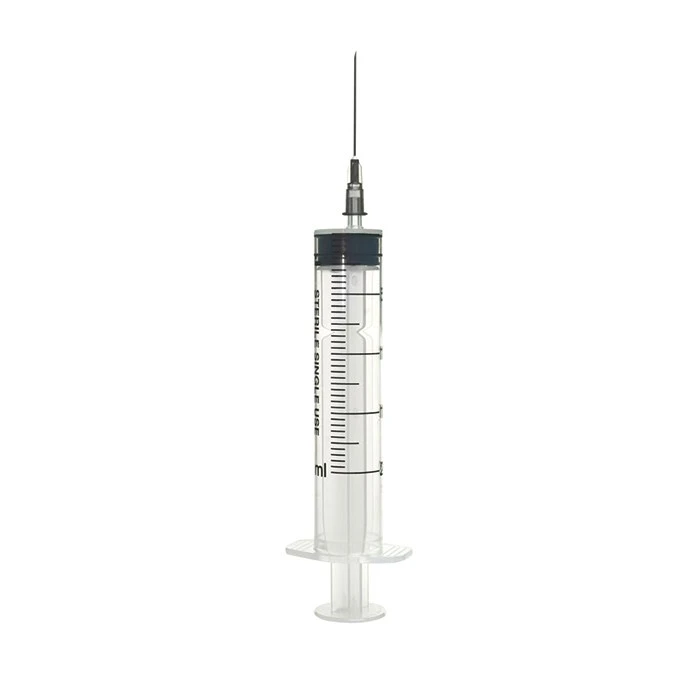
The first step in troubleshooting a malfunctioning sterile syringe is to conduct a thorough visual inspection. Check the syringe for any obvious signs of damage, such as cracks, leaks, or bent needles. Examine the barrel to ensure that it is not deformed or scratched, as these issues can affect the smooth movement of the plunger. Also, inspect the needle hub to make sure it is securely attached to the barrel.
If the syringe is part of a Syringe For Dispensing system, verify that all connections are tight and properly aligned. Loose connections can lead to leaks or inaccurate dosing. Pay attention to the markings on the syringe barrel to ensure that they are clear and legible. Faded or smudged markings can make it difficult to measure the correct dosage.

Plunger and Barrel Issues
One of the most common problems with sterile syringes is a sticking or difficult-to-move plunger. This can be caused by a variety of factors, including debris inside the barrel, improper lubrication, or a manufacturing defect. To address this issue, try gently tapping the syringe on a hard surface to dislodge any trapped air bubbles or debris. If the plunger still sticks, you can try applying a small amount of sterile lubricant to the plunger tip.
However, it is important to note that using an inappropriate lubricant can contaminate the syringe and compromise its sterility. Always use a lubricant that is specifically designed for medical syringes and approved by regulatory authorities. If the problem persists, it may be necessary to replace the syringe.
Another issue related to the plunger and barrel is leakage. If you notice fluid leaking from the syringe, check the plunger seal and the needle hub for any signs of damage. A damaged plunger seal can allow fluid to escape, while a loose or damaged needle hub can cause leaks at the connection point. In some cases, simply tightening the needle hub or replacing the plunger seal can resolve the leakage problem.
Needle Problems
The needle is a critical component of a sterile syringe, and any issues with the needle can affect its performance. One common problem is a bent or dull needle. A bent needle can make it difficult to insert the syringe into the patient's skin or cause pain and tissue damage. A dull needle can also make injection more painful and may require more force to penetrate the skin.
To check the needle for straightness, hold the syringe at eye level and look for any visible bends. If the needle is bent, do not attempt to straighten it, as this can further damage the needle and increase the risk of breakage. Instead, replace the syringe with a new one. To determine if the needle is dull, try inserting it into a piece of soft tissue, such as a rubber stopper. If the needle does not penetrate easily or causes excessive resistance, it may be dull and should be replaced.
Another potential problem with needles is clogging. A clogged needle can prevent the proper flow of fluid and make it difficult to administer the medication. This can be caused by debris, such as blood clots or medication particles, blocking the needle lumen. To clear a clogged needle, try gently flushing it with a small amount of sterile saline solution. If the clog persists, it may be necessary to replace the syringe.
Compatibility and Compatibility Testing
When using a sterile syringe, it is important to ensure that it is compatible with the medication or fluid being administered. Some medications may react with the materials used in the syringe, causing chemical changes or degradation of the medication. This can affect the efficacy and safety of the treatment.
Before using a new syringe with a particular medication, it is recommended to consult the medication's package insert or contact the manufacturer for compatibility information. In some cases, compatibility testing may be required to ensure that the syringe and the medication are compatible. This can involve exposing the syringe to the medication under controlled conditions and monitoring for any signs of chemical reaction or degradation.
Documentation and Reporting
If you encounter a malfunctioning sterile syringe, it is important to document the issue thoroughly. Record the date, time, location, and details of the malfunction, including any observations or symptoms you noticed. This documentation can be useful for troubleshooting, quality control, and regulatory compliance purposes.
In addition, it is important to report the malfunction to the appropriate authorities, such as the syringe manufacturer or the relevant regulatory agency. Reporting malfunctions helps to identify potential safety issues and improve the quality of medical devices. It also ensures that patients are protected from the risks associated with malfunctioning syringes.
Conclusion
Troubleshooting a malfunctioning sterile syringe requires a systematic approach and attention to detail. By conducting a thorough visual inspection, addressing plunger and barrel issues, checking the needle for problems, ensuring compatibility, and documenting and reporting any malfunctions, you can effectively identify and resolve most issues with sterile syringes.
As a Dispensing Medical Syringe supplier, we are committed to providing high-quality products and excellent customer service. If you have any questions or concerns about troubleshooting sterile syringes or need assistance with product selection, please do not hesitate to contact us. We are here to help you ensure the safe and effective use of our products.
If you are interested in purchasing sterile syringes or other medical devices from us, we invite you to contact our sales team to discuss your specific requirements. We offer a wide range of sterile syringes in different sizes and configurations to meet the needs of various medical applications. Our products are manufactured in accordance with strict quality standards and are backed by our commitment to customer satisfaction.
References
- American Society for Healthcare Engineering (ASHE). "Guidelines for the Selection, Use, and Maintenance of Medical Equipment."
- Food and Drug Administration (FDA). "Medical Device Reporting (MDR): How to Report Medical Device Problems."
- International Organization for Standardization (ISO). "ISO 7886: Disposable Hypodermic Syringes for Single Use."